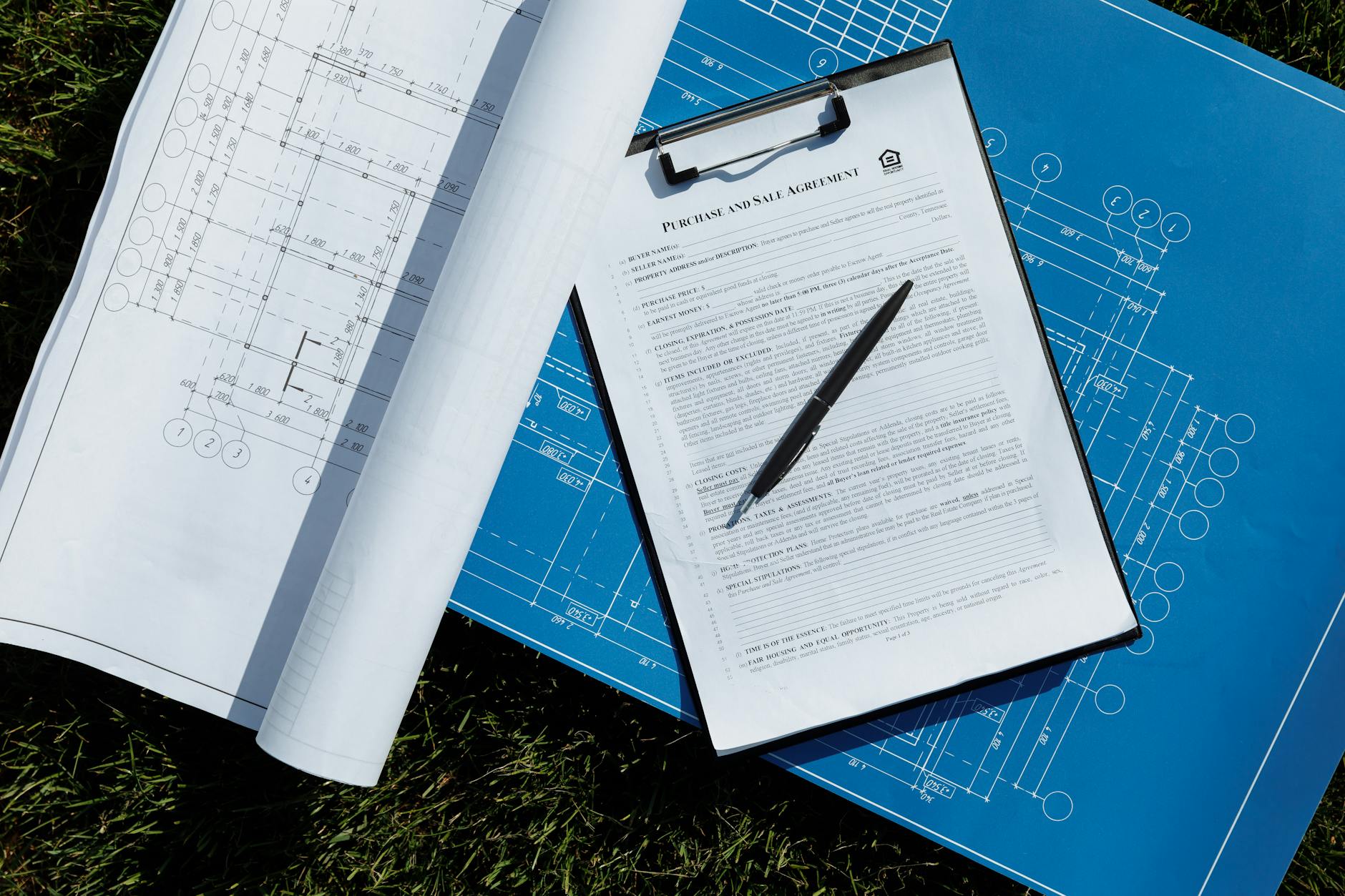


Off-plan real estate — buying a property before it’s been built — has long attracted investors with promises of below-market prices, capital appreciation, and attractive payment plans. It’s one of those investment strategies that, on paper, looks like a clear path to passive income and long-term wealth. But anyone who has navigated this space knows there’s a significant catch: developer delays.
Whether you’re a first-time investor or a seasoned property buyer, understanding how to protect yourself from delays — and what to do when they happen — can be the difference between a profitable investment and a financial headache. Let’s break it down.
What Is Off-Plan Real Estate?
Off-plan property refers to real estate that is purchased directly from a developer before construction is complete — sometimes even before it has started. Buyers typically pay in installments tied to construction milestones, and the appeal is straightforward:
- Lower entry prices compared to completed properties
- Capital growth potential as the property value rises during construction
- Flexible payment plans that spread costs over time
- Customization options in some early-stage projects
Markets like Dubai, Istanbul, and parts of Southeast Asia have made off-plan investing hugely popular with international buyers seeking high yields. However, the rewards come with real risks — and delays are the most common.
Why Developer Delays Happen
Understanding why delays occur helps you assess risk before you sign anything. The most common causes include:
- Financing issues: Developers may rely on buyer deposits to fund construction, and if sales slow down, cash flow dries up.
- Regulatory and permitting problems: Planning approvals, inspections, and local government bureaucracy can stall timelines significantly.
- Supply chain disruptions: Rising material costs or shortages — as seen during and after the COVID-19 pandemic — can halt projects mid-build.
- Market downturns: A slump in the property market may cause developers to pause or restructure projects.
- Poor project management: Simply put, some developers are better organized than others.
In many cases, delays of six to twelve months are considered “normal” in the industry. But delays stretching years — or outright project cancellations — do happen, and they can be devastating for investors counting on rental income or a resale profit.
How to Protect Yourself Before You Buy
The best time to manage risk is before you commit your money. Here’s what savvy investors do upfront:
1. Research the Developer’s Track Record
Always investigate the developer’s history. Have they delivered projects on time before? Do they have completed developments you can inspect? Reviews, forums, and even local real estate agents can give you an honest picture of their reputation.
2. Review the Sales and Purchase Agreement Carefully
Your contract is your greatest protection. Look specifically for:
- A clearly defined completion date
- Penalty clauses for delays (financial compensation you’re owed)
- Your right to exit the contract if delays exceed a certain period
- Escrow arrangements that protect your deposit
Never sign a contract without having a qualified real estate lawyer review it — ideally one who specializes in the local market.
3. Choose Regulated Markets
Some property markets offer stronger legal protections for off-plan buyers. For example, Dubai’s Real Estate Regulatory Agency (RERA) requires developers to hold buyer funds in escrow accounts and register all off-plan projects officially. Investing in regulated markets significantly reduces your exposure.
4. Diversify Your Investment Portfolio
Never put all your capital into a single off-plan project. Spreading across different developers, locations, or asset classes means one delay won’t sink your entire strategy.
What to Do If Your Developer Is Late
Despite your best precautions, delays can still happen. Here’s how to respond strategically:
- Stay informed: Regularly request construction updates and visit the site if possible. Knowledge is power.
- Document everything: Keep records of all communications, promises, and missed milestones.
- Know your legal rights: Review your contract for compensation clauses and consult your lawyer about enforcement options.
- Connect with other buyers: Buyers in the same development often form groups to collectively pressure developers or pursue legal action.
- Consider mediation or legal action: In serious cases, formal dispute resolution or court proceedings may be necessary to reclaim funds or enforce delivery.
Is Off-Plan Still Worth It?
Absolutely — with the right approach. Off-plan real estate remains one of the most accessible ways for everyday investors to enter property markets at competitive prices and build meaningful long-term wealth. The key is going in with your eyes open, doing thorough due diligence, and treating every contract as a legal document worth protecting.
Delays are part of the game. But informed investors who choose reputable developers, understand their contracts, and stay engaged throughout the process consistently come out ahead.
Final Thoughts
Off-plan investing rewards the patient and the prepared. By understanding the risks of developer delays before you invest — and knowing exactly what steps to take if things go sideways — you put yourself in a much stronger position to profit. Do your homework, protect your capital, and don’t let the fear of delays stop you from exploring one of real estate’s most exciting opportunities.
Ready to learn more about building wealth through real estate and smart investing? Explore more guides at PostInProfit and start making your money work harder today.