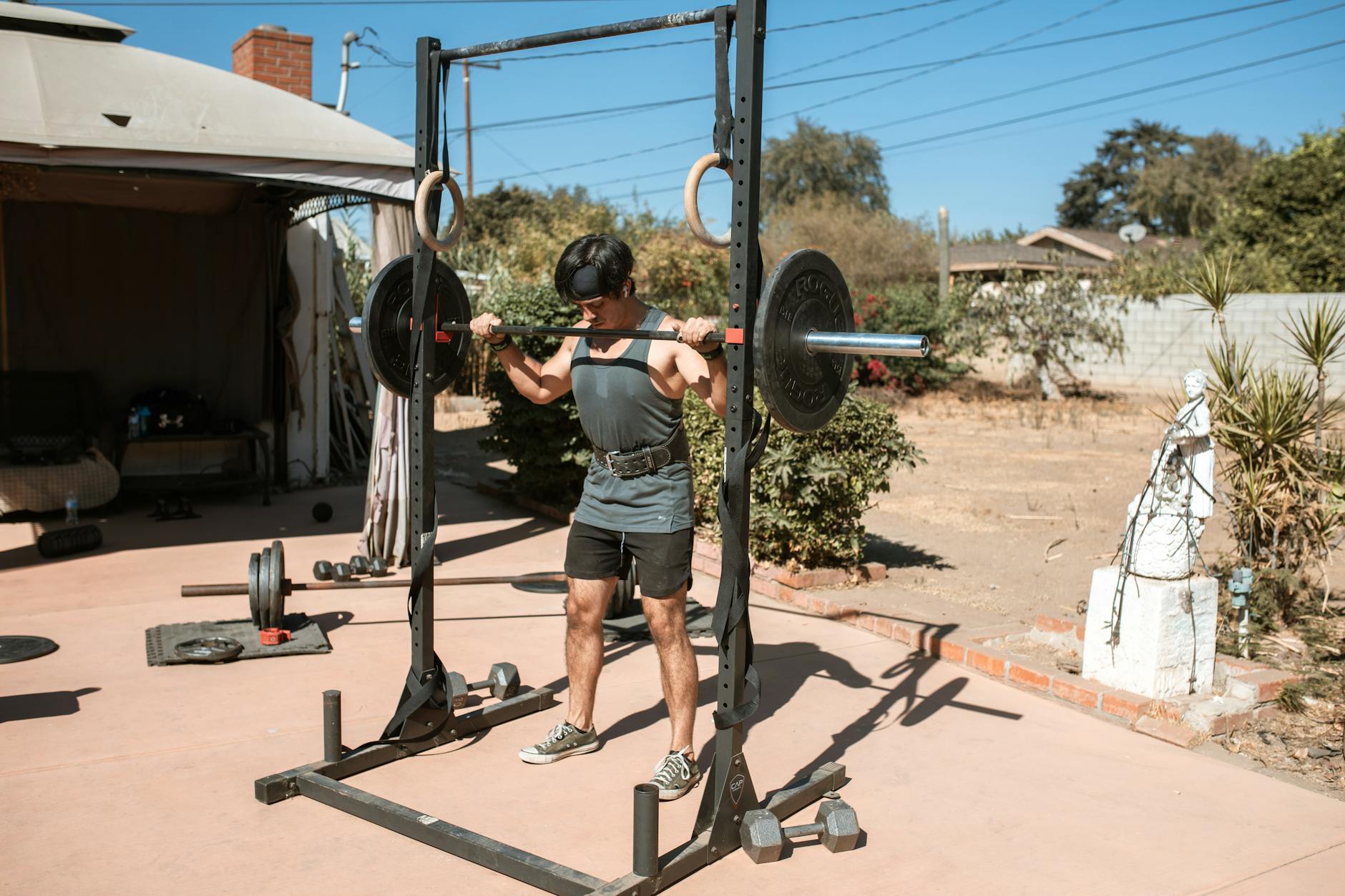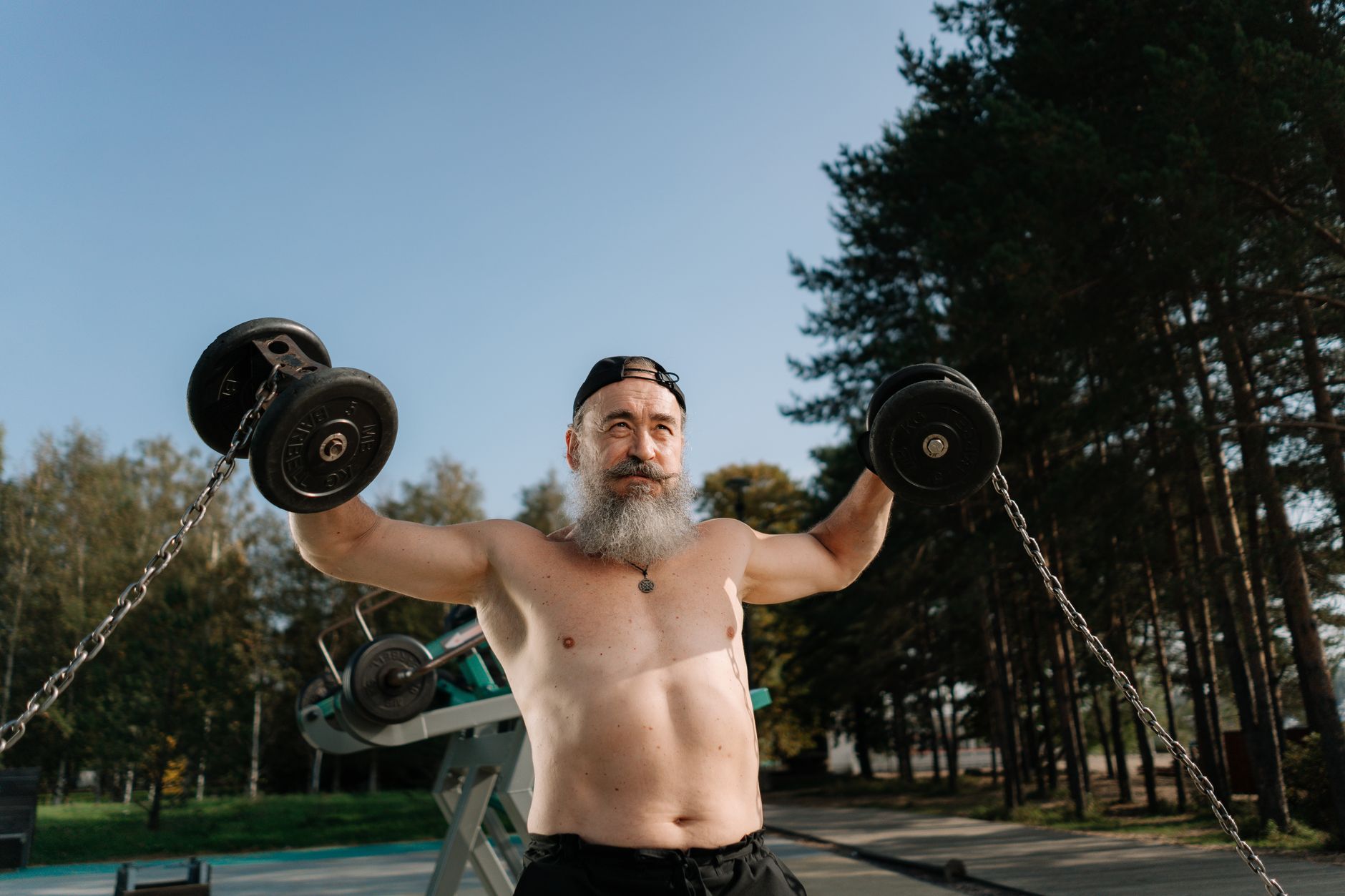


Building muscle is one of the most rewarding fitness pursuits you can undertake. But if you’ve spent any time deep in a high-volume hypertrophy program, you’ve probably felt it — the creaky knees, the stiff shoulders, the hips that feel like rusty hinges. The truth is, chasing muscle size and protecting your long-term joint health are not mutually exclusive, but they do require a deliberate, balanced approach.
Whether you’re a dedicated lifter in your 20s thinking about the future, or someone in your 40s trying to keep making gains without breaking down, understanding the tension between hypertrophy and longevity is essential. Let’s break it all down.
What Is Hypertrophy Training and Why Is It So Demanding?
Hypertrophy training focuses on maximizing muscle size through high volume — typically multiple sets, moderate-to-heavy loads, and relatively short rest periods. Programs often involve 10–20+ sets per muscle group per week, progressive overload, and frequent training sessions.
This kind of volume creates the mechanical tension and metabolic stress that drives muscle growth. But it also places significant repetitive stress on your joints, tendons, and connective tissue. Unlike muscle, which recovers relatively quickly, tendons and cartilage have limited blood supply and can take much longer to adapt — or to heal when damaged.
The result? Many dedicated lifters accumulate nagging injuries over time: shoulder impingements, patellar tendinitis, lower back issues, and elbow pain that just won’t quit.
The Case for Longevity in Your Training
Longevity-focused training prioritizes keeping your body functional, pain-free, and capable for decades — not just the next competition or beach season. This includes:
- Joint mobility work — maintaining full ranges of motion in hips, shoulders, ankles, and spine
- Tendon and connective tissue health — using loads and tempos that strengthen rather than strain
- Recovery protocols — sleep, stress management, and smart deload weeks
- Movement variety — avoiding the repetitive strain of doing the same movements every session
The goal isn’t to train less hard — it’s to train more intelligently. And the good news? A longevity-focused mindset actually supports better hypertrophy over time, because a body that stays healthy trains consistently, and consistency is the real driver of long-term muscle growth.
How to Balance Hypertrophy and Joint Health: Key Strategies
1. Prioritize Full Range of Motion
Research increasingly supports training through a full range of motion for superior muscle growth. Deep squats, full shoulder presses, and complete stretching under load (like a Romanian deadlift with a full hip hinge) don’t just build more muscle — they also improve joint mobility simultaneously. Two birds, one barbell.
2. Include Dedicated Mobility Work
Don’t treat mobility as an afterthought or a five-minute warmup formality. Dedicate at least 10–15 minutes per session to intentional mobility drills targeting your most restricted areas. Hip 90/90 stretches, thoracic rotations, and shoulder CARs (Controlled Articular Rotations) are excellent starting points that pay dividends for both performance and joint longevity.
3. Manage Weekly Volume Intelligently
More volume isn’t always better. Rather than blindly adding sets, track how your joints feel over a training week. Use the concept of Minimum Effective Volume (MEV) and Maximum Recoverable Volume (MRV) — terms popularized by sports scientist Dr. Mike Israetel. Push toward your MRV in phases, then pull back with deload weeks to allow connective tissue to recover and adapt.
4. Rotate Exercises and Movement Patterns
Doing barbell bench press every single chest session is a recipe for shoulder wear over time. Rotate between barbells, dumbbells, cables, and machines to vary the stress placed on joints while still targeting the same muscles. This keeps training stimulus high without grinding the same joint angles repeatedly.
5. Strengthen Tendons, Not Just Muscles
Slow, heavy eccentrics and isometric holds are powerful tools for building tendon resilience. Incorporate exercises like slow tempo Romanian deadlifts, wall sits, and Nordic curls into your programming. These movements may not look flashy, but they build the connective tissue foundation that lets you train hard for years, not just months.
The Long Game Always Wins
Here’s the honest truth: the lifters who build the most impressive physiques over a lifetime aren’t always the ones who trained the hardest in any given year — they’re the ones who stayed healthy enough to keep showing up. Every injury that sidelines you for weeks or months is time, effort, and muscle you’re not building.
Balancing hypertrophy with joint mobility and longevity isn’t about going soft on your training. It’s about being strategic, respecting your body’s limits, and building a sustainable practice that rewards you not just today, but for decades to come.
Start small: add 10 minutes of mobility work to your next session, experiment with a deload week this month, and try rotating one of your staple exercises. Your future self — and your joints — will thank you.