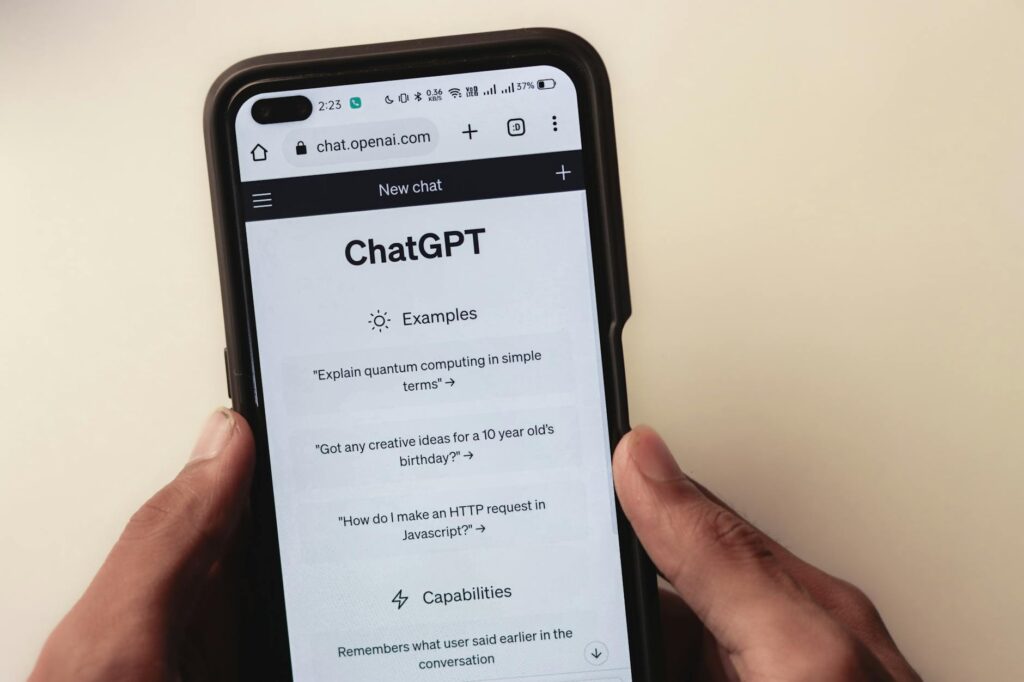


We live in a world dominated by screens. From the moment the alarm sounds on our smartphones to the final Netflix scroll before bed, the average person spends over seven hours a day staring at a glowing rectangle. It’s no wonder that a quiet but powerful cultural shift is underway — one that’s pulling people away from pixels and toward something more tactile, more grounded, and surprisingly more profitable.
Welcome to the Analog Renaissance: a growing movement of people rediscovering physical, hands-on crafts and skills in reaction to our hyper-digital lives. From hand-lettering and woodworking to sourdough baking and pottery, people are craving the satisfaction of making something real. And here’s the exciting part — that craving isn’t just a wellness trend. It’s a legitimate business opportunity hiding in plain sight.
What Is the Analog Renaissance?
The Analog Renaissance refers to the resurgence of interest in traditional, physical crafts and hobbies that require manual skill and creativity. Think knitting, leatherworking, candle-making, bookbinding, vinyl record collecting, and even old-school film photography. These activities have exploded in popularity over the last few years, driven by a collective desire to unplug, create with our hands, and feel something real.
This isn’t just nostalgia. Platforms like Etsy, Pinterest, and even TikTok (ironically, a screen-based tool) have amplified handmade culture to a massive global audience. That audience is buying. According to recent data, the global handmade crafts market is projected to surpass $1 trillion by 2030. So yes — the analog world has very digital money flowing through it.
Why Hands-On Hobbies Are Ripe for Monetization
There’s a beautiful irony in the Analog Renaissance: the very people fleeing screens are creating products that screen-addicted consumers desperately want to buy. Handmade goods carry an emotional weight that mass-produced items simply can’t replicate. They tell a story. They feel intentional. And customers are willing to pay a premium for that.
Here’s why physical hobbies translate so well into income streams:
- Low startup costs: Many analog hobbies — like candle-making, jewelry crafting, or hand-lettering — require minimal upfront investment to get started.
- High perceived value: Handmade items command higher price points than their factory-made counterparts, boosting your profit margins.
- Built-in audience: Communities around these crafts already exist on Etsy, Instagram, and niche Facebook groups, making it easier to find your first customers.
- Scalable over time: Once you master your craft, you can teach it, sell patterns or templates, or even create digital products around it — turning a tactile hobby into a passive income engine.
Top Analog Hobbies You Can Turn Into a Side Hustle
1. Candle and Soap Making
Few analog crafts have exploded quite like candle and soap making. Startup costs hover around $100–$200, and a single candle that costs $3 to make can retail for $18–$30. Seasonal collections, custom scents, and personalized labels make these products irresistible gift items year-round.
2. Woodworking and Furniture Flipping
If you enjoy working with your hands on a larger scale, woodworking and furniture flipping offer serious earning potential. Thrift store finds refinished with paint, stain, or new hardware can be resold for two to five times their purchase price. Custom woodworking pieces — cutting boards, shelving, personalized signs — are perennial bestsellers on Etsy and at local markets.
3. Hand Lettering and Calligraphy
In an age of digital fonts, the beauty of handwritten text is more coveted than ever. Wedding stationery, custom signage, and personalized gifts are just a few of the products that skilled lettering artists sell consistently. You can also monetize your knowledge by selling online courses or downloadable practice sheets.
4. Textile Arts: Knitting, Weaving, and Macramé
Fiber arts have seen a remarkable comeback. Wall hangings, plant hangers, and handmade knitwear are popular in boutique home décor spaces and on Etsy. The materials are inexpensive, the community is supportive, and the creative possibilities are endless.
From Hobby to Business: The Bridge
The key to turning any analog passion into profit is treating it with entrepreneurial intention from the start. Document your process on social media. Build an Etsy shop or a simple website. Collect customer emails. Ask for reviews. Over time, you won’t just have a hobby — you’ll have a brand.
Consider also how your physical skill can generate passive income. A woodworker can sell plans and blueprints. A calligrapher can sell digital downloads. A candle maker can create a YouTube channel monetized with ads. The analog skill becomes the foundation; digital tools become the amplifier.
Embrace the Analog, Profit from Both Worlds
The Analog Renaissance isn’t a rejection of the modern world — it’s a rebalancing of it. By investing time in physical, hands-on skills, you’re not just nurturing your mental health and creativity. You’re positioning yourself in a market where authenticity is currency and craftsmanship commands a premium.
Ready to get your hands dirty and your bank account growing? Pick one analog hobby that excites you, spend 30 days learning the basics, and then explore how to take it to market. The screen will still be there when you need it — but the satisfaction of building something real with your own two hands? That’s something no algorithm can replicate.