

Not long ago, you could throw up a generic “best products” listicle, sprinkle in a few affiliate links, and watch the commissions roll in. Those days? They’re over. The affiliate marketing landscape is undergoing a seismic shift, and the strategies that worked even three years ago are quietly being buried by algorithm updates, smarter consumers, and a tidal wave of AI-generated fluff flooding the internet.
The good news is that this shift isn’t just a death — it’s a rebirth. The marketers who understand what’s happening right now are positioning themselves to build something far more valuable and durable than a generic review site ever was. Let’s break down exactly what’s changing and what you need to do about it.
What “Generic” Affiliate Marketing Actually Means (And Why It Fails)
Generic affiliate marketing follows a familiar formula: pick a broad niche, target high-volume keywords, write shallow comparison articles, and hope for clicks. The sites built on this model tend to share a few common traits:
- No clear author or human voice behind the content
- Product recommendations with no real first-hand experience
- Content that reads like it was written for Google, not for people
- Zero community, zero loyalty, zero return visitors
For a while, this worked because search engines weren’t sophisticated enough to distinguish helpful content from hollow content. That era is officially over. Google’s Helpful Content Updates have made it abundantly clear: thin, experience-free content is being systematically deprioritized. Sites that built their entire model on generic affiliate content have seen traffic drops of 50%, 70%, even 90% overnight.
The Rise of the High-Trust Hub
So what’s winning? High-trust hubs — and understanding this concept is the key to your next move.
A high-trust hub isn’t just a website. It’s a destination that a specific audience returns to because they genuinely trust the person or brand behind it. Think less “10 Best Air Fryers of 2024” and more “Sarah’s Kitchen — where a real home cook tests, breaks, and honestly reviews budget kitchen gear every week.”
The difference is enormous. High-trust hubs are built around:
- Real expertise or lived experience — the creator has genuine authority in their space
- A recognizable personality or brand — readers know who they’re learning from
- Multi-channel presence — email lists, YouTube, social media, and a website working together
- Community and conversation — audiences feel like participants, not just traffic
- Honest, nuanced recommendations — including what not to buy
When your audience trusts you, your affiliate link click-through rates go up, your conversion rates go up, and your earnings become far more resistant to algorithm volatility. Trust is the most durable asset in online business.
What’s Driving This Shift?
Several forces are converging at once to make this transition inevitable rather than optional.
1. AI Has Commoditized Generic Content
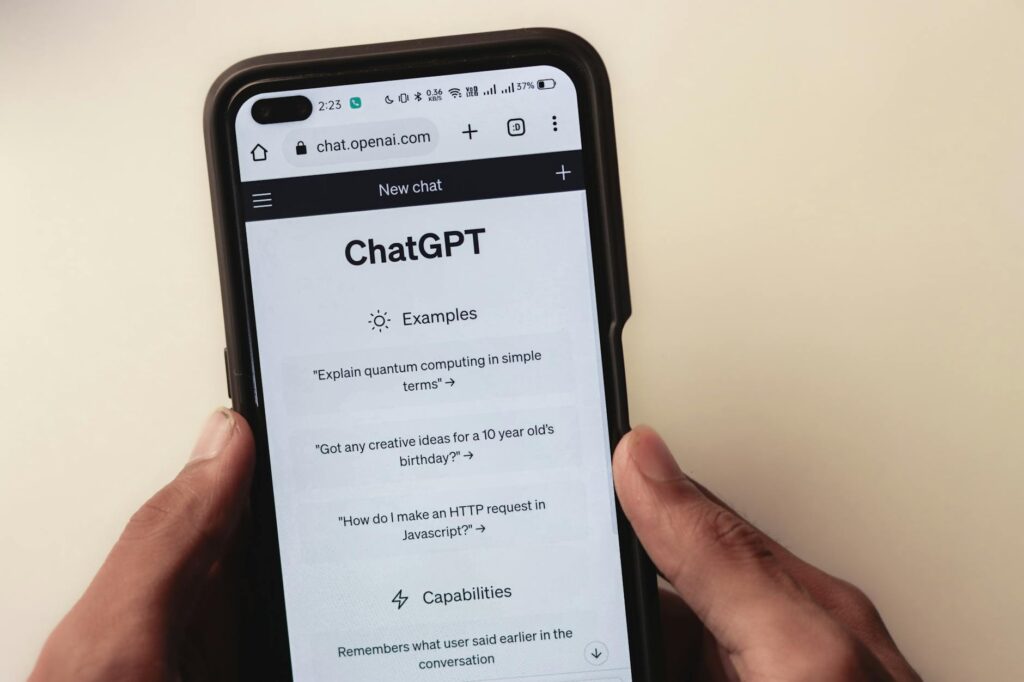
Anyone with a ChatGPT subscription can now produce a 2,000-word product comparison in minutes. This has made generic content essentially worthless from a differentiation standpoint. If your content could have been written by anyone — or any AI — it provides no competitive advantage whatsoever.
2. Consumers Are More Skeptical Than Ever
Readers have been burned by fake reviews and incentivized recommendations one too many times. Today’s online shopper actively looks for authentic voices with real opinions. They’re flocking to creators they follow on YouTube, newsletters they subscribe to, and Reddit threads over polished review sites they’ve never heard of.
3. Search Engines Are Rewarding Experience
Google’s E-E-A-T framework — Experience, Expertise, Authoritativeness, and Trustworthiness — is no longer just SEO theory. It’s being actively used to evaluate content quality. First-hand experience signals are now a legitimate ranking factor. If you haven’t actually used what you’re recommending, that gap is becoming visible to both algorithms and readers.
How to Start Building Your High-Trust Hub
The transition isn’t complicated, but it does require intention. Here’s where to focus your energy:
- Niche down to a specific audience — not “fitness” but “strength training for men over 40”
- Put a face and voice to your brand — people trust people, not faceless websites
- Build an email list from day one — owned audiences are algorithm-proof
- Document real experiences — buy the products, use the services, share honest results
- Show up consistently across channels — your website should be the hub, everything else feeds it
The Bottom Line
Generic affiliate marketing isn’t just struggling — it’s in a structural decline with no recovery in sight. The barrier to creating forgettable content has hit zero, which means the only content that matters anymore is content that humans genuinely want to read, save, and share.
The shift to high-trust hubs isn’t a trend. It’s the new baseline. The affiliate marketers who adapt now — who invest in real expertise, real relationships, and real brand-building — are the ones who will be collecting commissions long after the generic sites have gone dark.
Ready to build something that actually lasts? Start by asking yourself: would my audience miss this if it disappeared tomorrow? If the answer is no, you know exactly what needs to change.