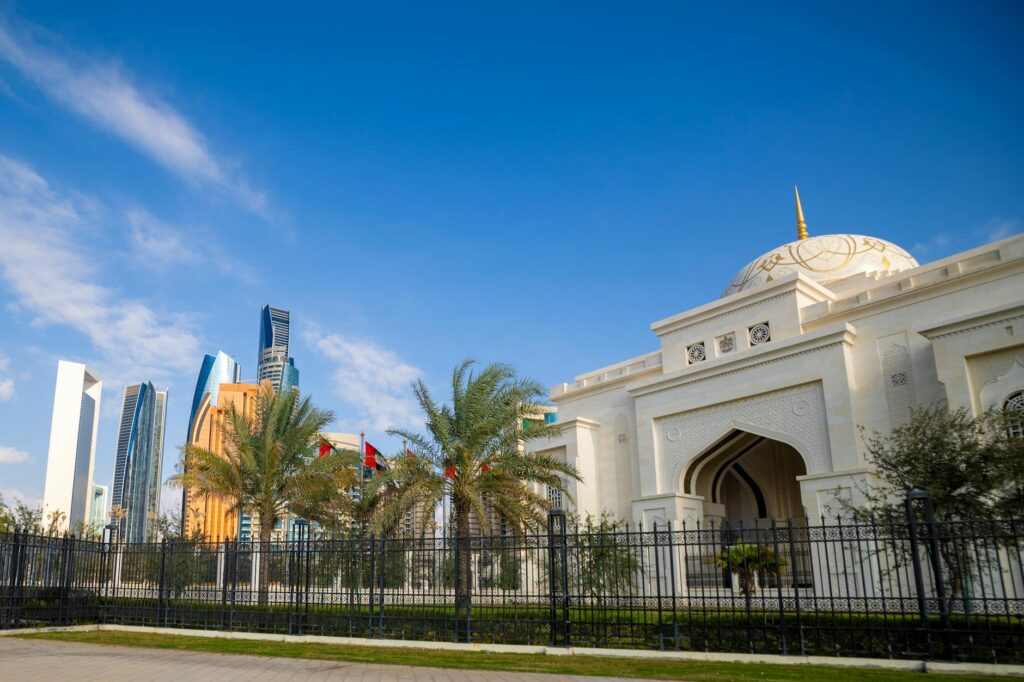


For years, the Gulf Cooperation Council (GCC) region was considered one of the most crypto-friendly jurisdictions on the planet — a near-tax-free haven where Bitcoin holders, DeFi enthusiasts, and passive income earners could operate with minimal regulatory friction. But 2026 is shaping up to be a turning point. New tax clarity is emerging across the UAE, Saudi Arabia, Bahrain, and beyond, and it’s creating both risks and powerful planning opportunities for anyone earning through digital assets in the region.
Whether you’re staking Ethereum, earning yield through DeFi protocols, or building a long-term crypto portfolio, understanding the evolving GCC crypto tax landscape is no longer optional — it’s essential to protecting and growing your wealth.
The Old Assumption: GCC = Tax-Free Crypto
For much of the last decade, investors flocked to the Gulf precisely because of its favorable tax environment. The UAE, in particular, has long attracted high-net-worth individuals and crypto traders due to its zero personal income tax policy. Holding Bitcoin in Dubai felt dramatically different from doing so in the UK, Germany, or Australia, where capital gains taxes could swallow a significant chunk of profits.
That assumption hasn’t been entirely shattered — but it has become far more nuanced. The introduction of the UAE’s 9% Corporate Tax in 2023, combined with increasing pressure from global frameworks like the OECD’s Crypto-Asset Reporting Framework (CARF), means the regulatory landscape is shifting faster than many investors realize.
What’s Actually Changing in 2026
Here’s what GCC-based crypto investors need to pay close attention to heading into 2026:
1. Corporate Tax Now Applies to Crypto Businesses
If you’re running a crypto trading operation, a yield farming strategy, or any activity classified as a business rather than personal investment, the UAE’s 9% corporate tax may apply. The Federal Tax Authority (FTA) has begun issuing clearer guidance on what constitutes a taxable business activity in the crypto space. Passive holding is generally not taxable for individuals — but systematic trading or operating a node business may cross that threshold.
2. CARF and Automatic Information Exchange
The OECD’s Crypto-Asset Reporting Framework, which the UAE has committed to implementing, means that crypto exchanges will be required to report user data to tax authorities starting in 2026. If you hold accounts on international exchanges and reside in a GCC country, your transaction data may be shared automatically. This eliminates the grey zone many investors have been operating in.
3. Saudi Arabia’s Growing Crypto Regulatory Clarity
Saudi Arabia is advancing its Vision 2030 digital economy agenda, which includes clearer crypto regulations. While personal crypto taxes remain limited, business activities and institutional crypto investment in the Kingdom are coming under greater scrutiny. Traders operating at scale should consult local tax advisors to understand their exposure.
What This Means for Your Crypto Passive Income Strategy
The good news? For individual investors focused on passive income, the GCC — especially the UAE — still offers one of the most favorable environments globally. Here’s how to position yourself smartly:
- Staking rewards: Currently not explicitly taxed at the personal level in the UAE, but documentation is critical as reporting frameworks tighten.
- DeFi yield farming: May be treated as business income if done systematically — structure matters more than ever in 2026.
- HODLing and long-term appreciation: Still largely untaxed for individuals, making the UAE an attractive base for long-term Bitcoin and altcoin investors.
- NFT royalties and creator income: Increasingly scrutinized; passive royalty income from NFTs may be subject to evolving classification rules.
Planning Opportunities Hidden in the New Clarity
Regulatory clarity, while initially intimidating, is ultimately good for serious investors. Here’s how smart Gulf-based crypto investors are turning new tax policy into strategic advantage:
Structure Your Activities Wisely
Separating personal investment holdings from any business-related crypto activity is now critical. Consider working with a UAE-registered tax advisor to establish the right legal structure — whether a free zone entity, holding company, or personal account — that aligns with your income type and volume.
Document Everything
With CARF reporting imminent, meticulous record-keeping is your best defense and your best planning tool. Track every transaction, staking reward, and DeFi interaction using portfolio tools like Koinly or CoinTracking. This also positions you to claim any allowable deductions if your activity is classified as business-related.
Leverage Free Zone Benefits
The UAE’s free zones — including DIFC and ADGM — continue to offer distinct regulatory and tax treatment for qualifying financial activities. Some crypto-related businesses operating within these zones may benefit from favorable treatment not available onshore. Explore whether a free zone structure makes sense for your portfolio size and strategy.
The Bottom Line for GCC Crypto Investors in 2026
The era of operating in a completely unregulated, unreported crypto grey zone in the Gulf is fading. But that’s not necessarily bad news. Clarity creates confidence — and for investors who take the time to understand the rules, structure their activities correctly, and document their income streams, the GCC remains one of the most attractive regions in the world to earn crypto passive income.
The investors who will win in 2026 aren’t those who ignore the shifting regulatory tide — they’re the ones who adapt early, stay informed, and turn policy changes into planning advantages.
Ready to future-proof your crypto passive income strategy? Explore more guides on PostInProfit.com covering digital asset investment, side hustle tax planning, and building wealth in a fast-changing financial landscape.