


The Road Ahead: Who Wins the Automotive Race – Gas, Electric, or Hydrogen?
The automotive industry is at a crossroads, undergoing its most profound transformation since the invention of the assembly line. For over a century, gasoline-powered internal combustion engines (ICE) reigned supreme. Now, the roar of the engine is increasingly challenged by the silent hum of electric motors and the futuristic promise of hydrogen fuel cells.
As we look to the next decade (2025-2035), the question isn’t just about which technology is “best,” but which is best positioned to overcome its hurdles and dominate the market. This isn’t a winner-take-all scenario, but rather a complex interplay of infrastructure, cost, consumer preference, and evolving global priorities.
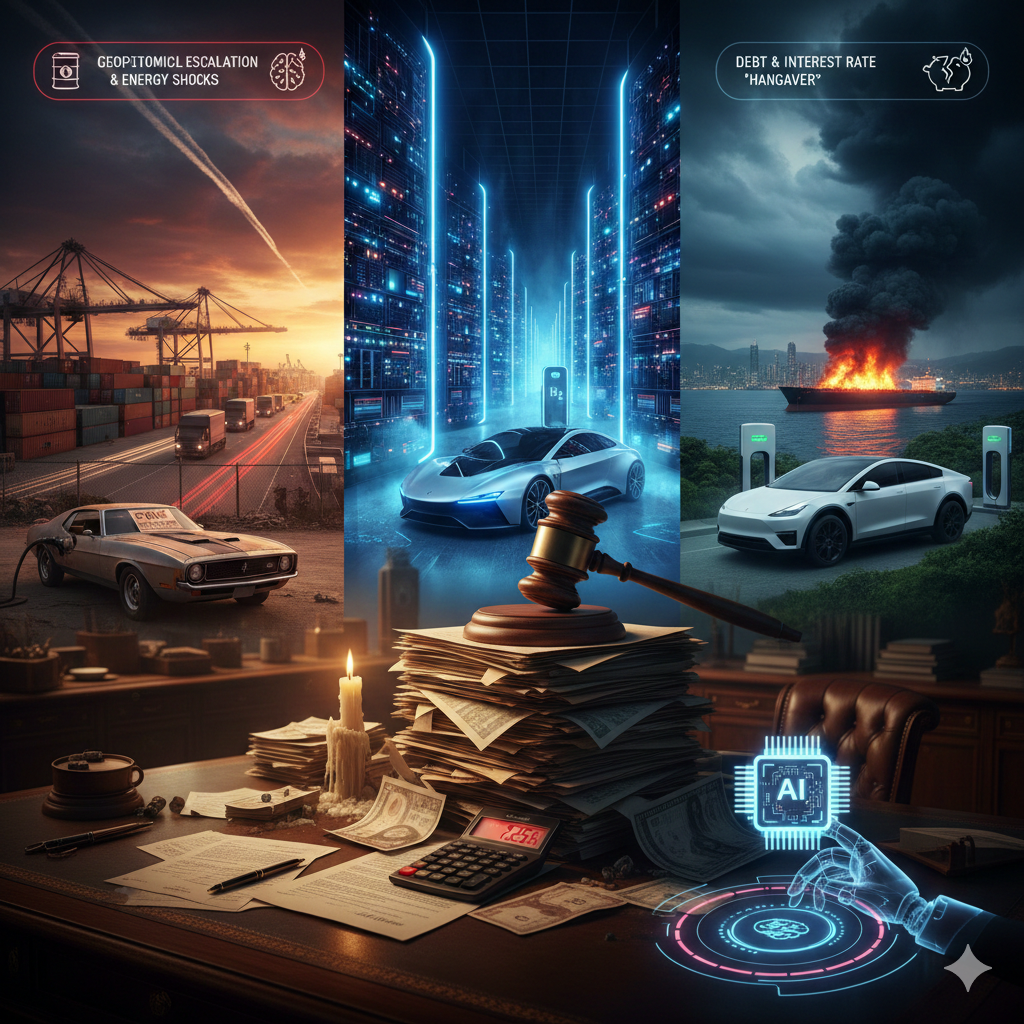
The Reigning Champion: Gasoline-Powered Vehicles
For decades, the internal combustion engine (ICE) has been the undisputed king of the road. Its advantages are clear: mature technology, widespread infrastructure, affordability, and the sheer convenience of quick refueling. Global sales of ICE vehicles still dwarf those of electric vehicles (EVs), and for many consumers, the familiarity and lower upfront cost remain powerful draws.
However, the sun is setting on the ICE era. Increasing environmental regulations, stringent emissions targets (like the EU’s 2035 ban on new ICE sales), and the surging global demand for sustainable transport are eroding its dominance. While manufacturers will continue to refine gasoline engines for efficiency and hybrid applications, the next decade will see a significant decline in new ICE-only vehicle development. Their survival will primarily be in regions where charging infrastructure is sparse, in niche markets like classic cars, or as part of hybrid powertrains that bridge the gap to full electrification.
Survival Odds (2035): Declining as primary choice, strong as hybrid component. Key Obstacles: Environmental regulations, fluctuating fuel prices, public perception.
The Ascendant Challenger: Electric Vehicles (EVs)
Electric vehicles are undeniably in the fast lane, propelled by technological breakthroughs, government incentives, and a growing consumer desire for cleaner transportation. Battery technology is improving rapidly, offering longer ranges and faster charging times. The variety of EV models, from compact city cars to powerful trucks and SUVs, is expanding exponentially, making them a viable option for a wider demographic.
The next decade will see EVs become a mainstream choice, especially in urban and suburban areas of developed nations. Investment in charging infrastructure, though still a bottleneck in many places, is accelerating. Governments and private companies are pouring billions into building out robust charging networks, addressing range anxiety, one of the biggest deterrents for potential buyers. The cost of EV batteries, while still a significant component, continues to fall, bringing the total cost of ownership closer to—and in some cases, below—that of comparable ICE vehicles.
However, EVs face their own set of challenges. The grid infrastructure in some regions may struggle to handle a massive influx of charging demand. The environmental impact of battery manufacturing and recycling, particularly concerning critical minerals like lithium and cobalt, is a growing concern that needs sustainable solutions. Furthermore, cold weather performance and the longevity of batteries remain areas of ongoing development and consumer scrutiny.
Survival Odds (2035): High, likely dominant in personal and light commercial transport. Key Obstacles: Charging infrastructure density, grid capacity, raw material sourcing, recycling.
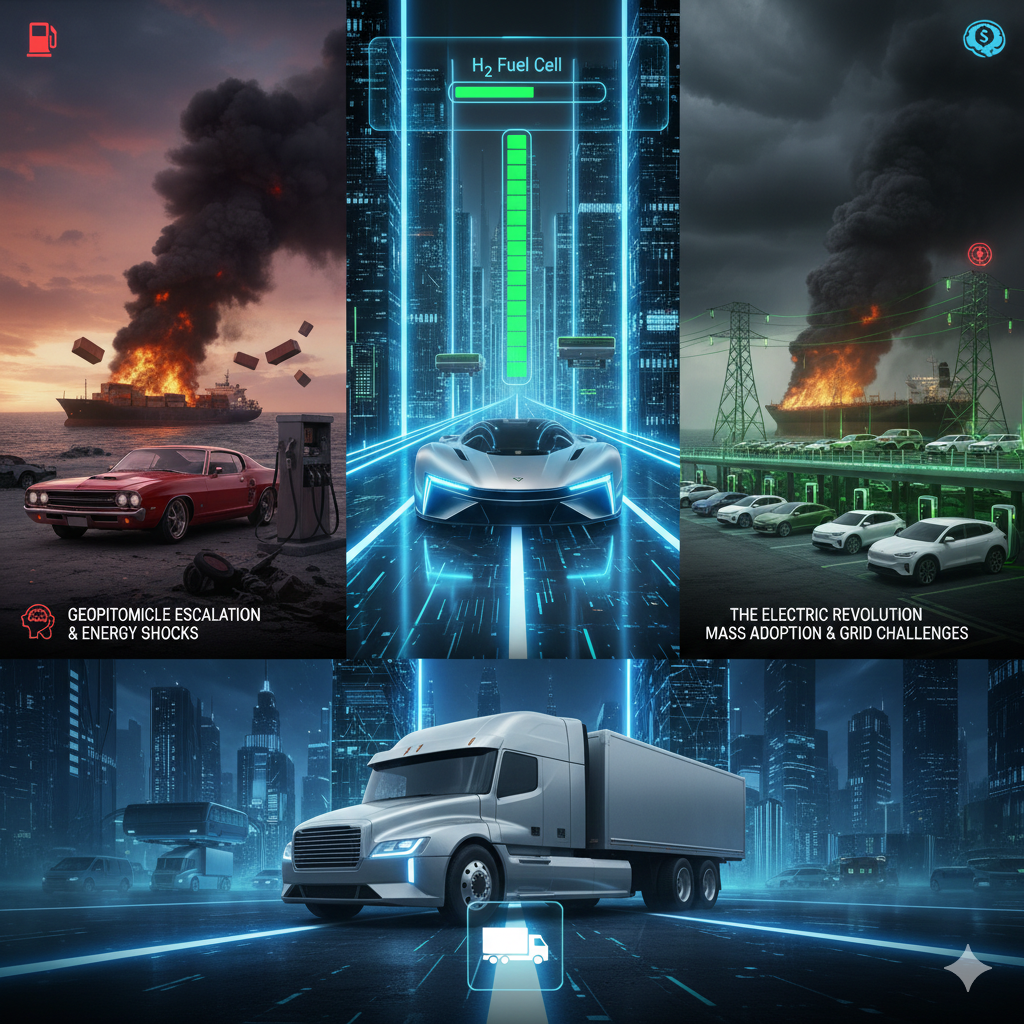
The Dark Horse: Hydrogen Fuel Cell Vehicles (FCVs)
Hydrogen fuel cell vehicles often feel like the perpetual “future technology” that never quite arrives. Yet, the appeal of hydrogen is undeniable: it offers rapid refueling times similar to gasoline cars, zero tailpipe emissions (only water vapor), and potentially longer ranges than current battery EVs, especially for heavier vehicles.
The next decade could be crucial for hydrogen to finally make its mark, particularly in specific sectors. While its adoption in personal passenger cars has been slow—hindered by a lack of refueling stations, high production costs for both vehicles and “green” hydrogen, and the complexity of hydrogen storage—it holds immense promise for heavy-duty transport. Long-haul trucks, buses, trains, and even ships could greatly benefit from hydrogen’s energy density, avoiding the massive battery weights and lengthy charging times that plague battery EVs in these applications.
Significant investment is being made in “green hydrogen” production (using renewable energy to split water), which is crucial for hydrogen to be truly carbon-neutral. If breakthroughs in scalable, affordable green hydrogen production and the build-out of a targeted heavy-duty refueling network materialize by 2035, hydrogen could carve out a vital niche. For personal vehicles, however, the race with EVs appears increasingly challenging due to the established lead in charging infrastructure and consumer awareness.
Survival Odds (2035): Strong in heavy-duty and niche commercial transport; low in widespread personal vehicles. Key Obstacles: Infrastructure (refueling stations), high production cost of green hydrogen, storage complexity, consumer awareness.