


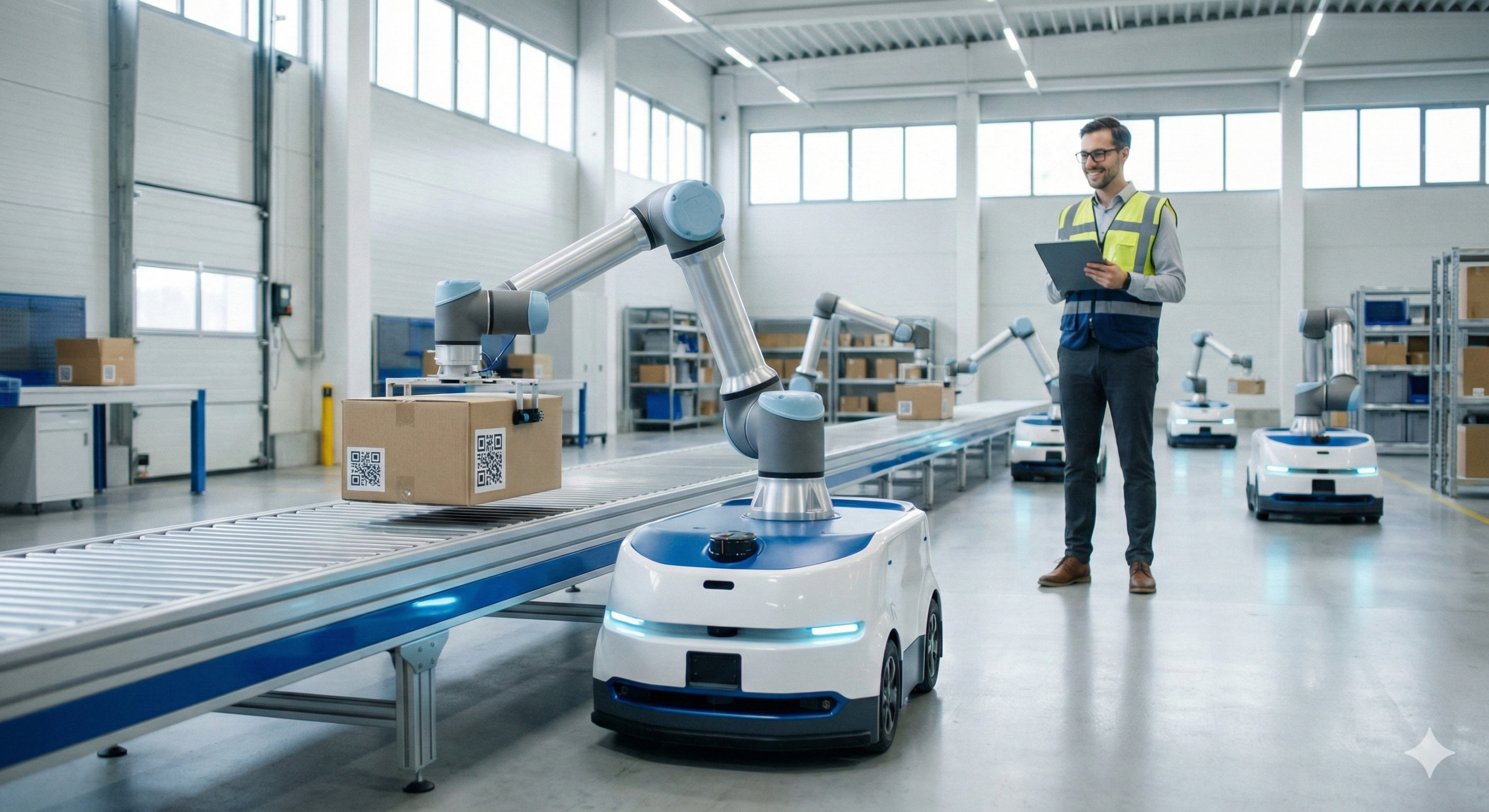
Moving beyond the hype cycle, 2026 is the year artificial intelligence gains a body, coding becomes a conversation, and privacy gets a hardware upgrade.
For the past few years, we have lived through the “Wow” phase of artificial intelligence. We marveled at chatbots that could pass the bar exam and image generators that could conjure surrealist paintings in seconds. It was a period defined by digital novelty and endless scrolling feeds of generative content.
But as we settle into 2026, the atmosphere has shifted. The novelty has worn off, replaced by a demand for utility. We have entered the era of the “Practical Futurist.”
The questions are no longer “Can AI write a poem?” but rather “Can AI fix the supply chain, lower the cost of healthcare, and protect my data while doing it?” The most significant technological shifts happening right now aren’t taking place in a chat window; they are happening in the physical world, in the deepest layers of computer hardware, and in the bottom lines of businesses.
Here is a look at the four massive tech shifts redefining our daily lives right now.
1. The Rise of “Physical AI”: When Intelligence Gets a Body
For a long time, AI was a “brain in a jar”—highly intelligent but trapped behind a screen, capable only of outputting text or pixels. That is rapidly changing. The most world-altering trend of 2026 is “embodied AI,” or Physical AI.
While ChatGPT changed how we write, Physical AI is changing how we move, build, and live. This isn’t just about humanoid robots doing backflips; it’s about injecting intelligence into infrastructure and machinery.
We are seeing this revolution in three key areas:
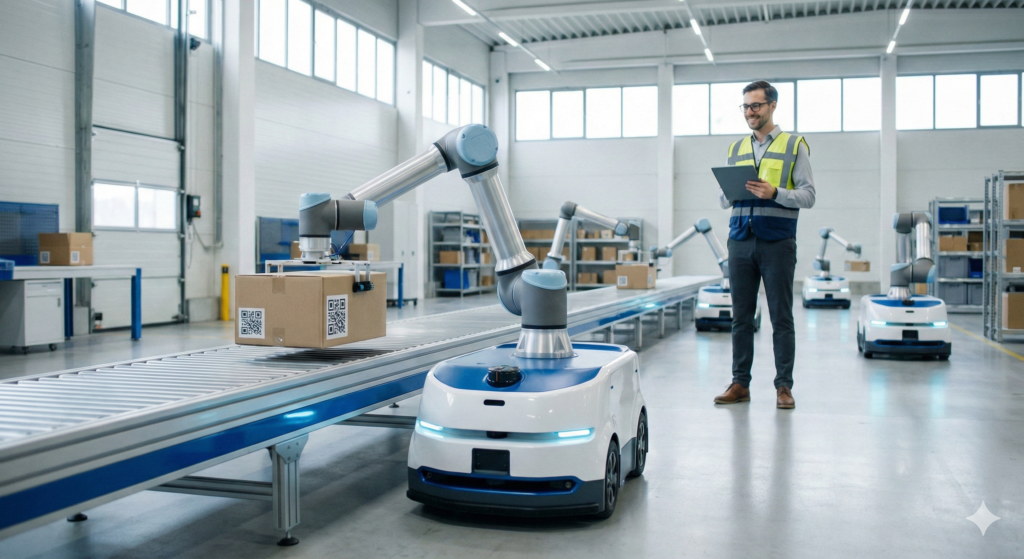
- Next-Gen Logistics: Warehouses are moving beyond pre-programmed arms that follow lines on the floor. The new generation of logistics robots use computer vision and reinforcement learning to navigate chaotic environments, handle varied and fragile items, and adapt to changes on the fly without human reprogramming.
- Autonomous Infrastructure Monitoring: Instead of sending dangerous human crews to inspect high-voltage power lines or the underside of aging bridges, fleets of autonomous drones equipped with AI-powered sensors now perform routine inspections, identifying micro-cracks and corrosion long before they become catastrophic failures.
- The Reactive City: Smart cities are graduating from simple timed traffic lights to fully reactive systems. Physical AI embedded in traffic management networks can adjust traffic flows in real-time based on accidents, weather events, or major sporting games, actively reducing congestion rather than just measuring it.
When AI can manipulate the physical world, its economic impact multiplies exponentially compared to purely digital tools.
2. “Vibe Coding” vs. Manual Coding: The Democratization of Creation
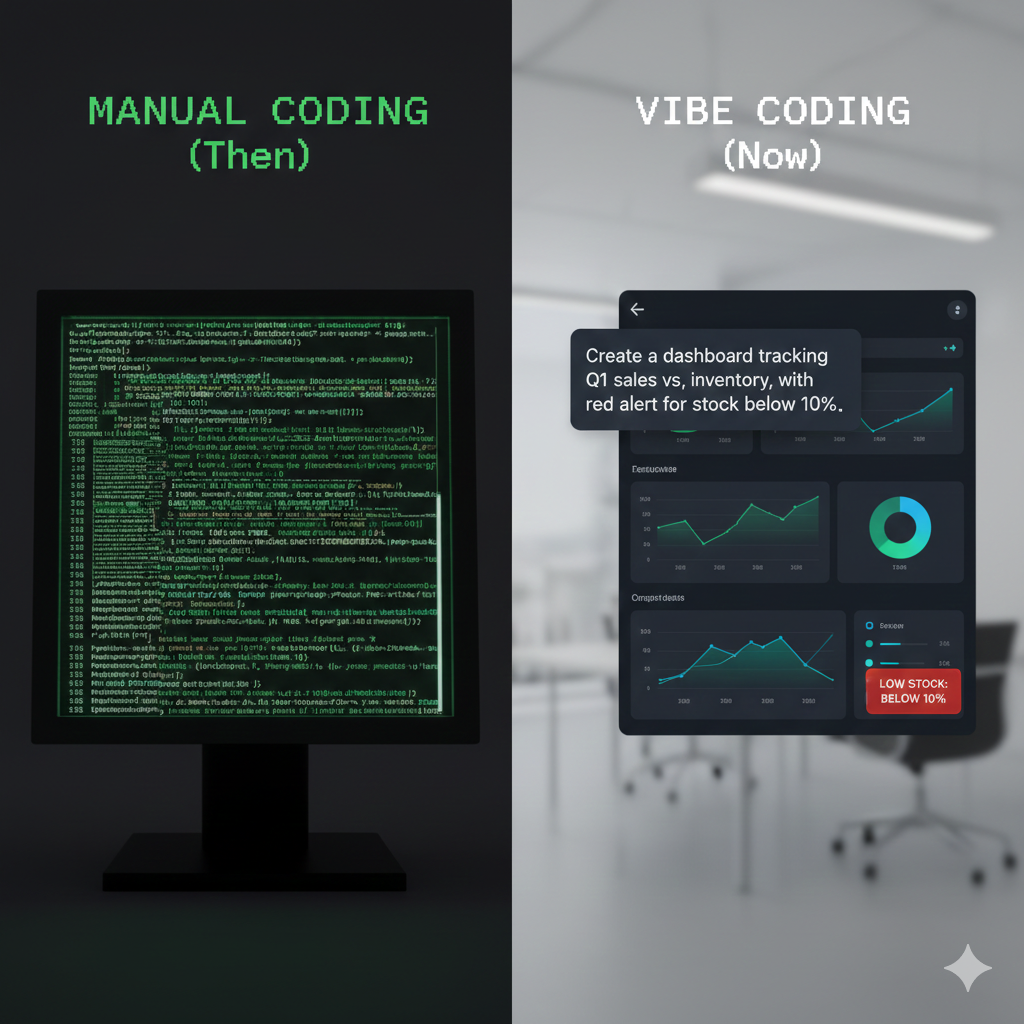
Remember when building a website required knowing HTML, and creating an app required mastering Java or Swift? In 2026, those barriers are collapsing faster than anyone predicted. We are witnessing the shift from “manual coding” (writing complex syntax) to “vibe coding” (programming via intent).
“Vibe coding” is the process of using natural language to describe what you want a piece of software to do, and letting an AI interpreter handle the how.
This is not just about GitHub Copilot suggesting the next few lines of code for a professional engineer. It is about a marketing manager describing a custom CRM tool they need for a specific campaign and having a functional prototype generated in minutes. It’s about a doctor describing a patient intake form workflow and having the software build itself.
The implications are profound. We are moving from a world with 30 million software developers to a world with 5 billion potential creators. The skill set of the future isn’t memorizing syntax; it’s clarity of thought and the ability to articulate a desired outcome precisely—managing the “vibe” of the project while the AI manages the brackets and semicolons.
3. The AI “Year of Truth”: Moving From Hype to ROI
If 2023-2025 were the years of AI experimentation, 2026 is the “Year of Truth.” CFOs across the globe are asking the same hard question: “Where is the return on investment?”
The companies that bought into the hype without a strategy are shuttering their expensive pilot programs. But the companies that focused on boring, practical applications are pulling ahead. The market is maturing, separating the useful from the merely cool.
Which industries are winning the ROI game?
- Healthcare Diagnostics: AI isn’t replacing doctors, but it is acting as a superhuman second opinion. Radiology departments using AI screening tools are catching anomalies earlier and processing scans 40% faster, directly improving patient outcomes and hospital throughput.
- Predictive Maintenance: In heavy industry and aviation, AI models are analyzing vibration and sound data from machinery to predict part failures weeks before they happen. This moves maintenance from a reactive, expensive disaster to a proactive, scheduled event, saving billions in downtime.
- Precision Agriculture: Farms using AI-driven analysis of satellite imagery and soil sensors are optimizing water and fertilizer usage down to the square meter, increasing yields while reducing environmental runoff.
The “Practical Futurist” knows that the real AI revolution isn’t sexy; it’s efficient.
4. Privacy in the Age of “Confidential Computing”

The biggest brake on AI adoption has always been privacy. How can a hospital use a powerful cloud-based AI to analyze patient data without violating HIPAA? How can a bank use external AI for fraud detection without exposing customer financial records?
For years, the answer was: “You just have to trust the AI provider.” In 2026, that answer is no longer acceptable.
Enter “Confidential Computing.” This is a hardware-level breakthrough that changes the game for data privacy. Previously, data had to be decrypted (unlocked) while it was being processed by a CPU. During that split second of processing, the data was vulnerable.
Confidential computing uses special “secure enclaves” directly on the processor chips. It allows data to remain encrypted even while it is being computed.
Think of it as a sealed black box inside the computer. You put your encrypted data into the box, the AI inside the box does the work and hands you back the encrypted result, but the AI owner never possesses the key to open the box and look at the raw data. This technological shift is finally allowing highly regulated industries to embrace AI without compromising security, unlocking a new wave of innovation in finance, government, and healthcare.
Conclusion
The futuristic visions of the past often focused on escapism—flying cars and virtual reality worlds. The actual future of 2026 is far more grounded. It is characterized by technology that understands the physical world, tools that empower non-coders to build solutions, business models demanded on hard math, and security architectures that protect our most vital data. The future is here, and it’s surprisingly practical.