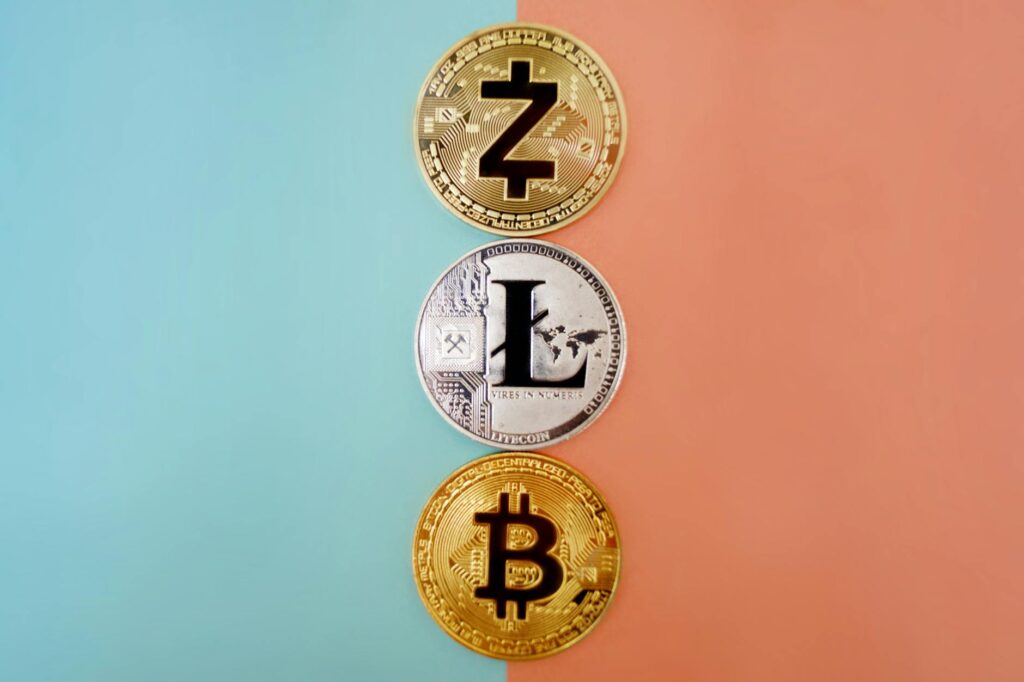


For years, Indian crypto enthusiasts have lived in a state of constant uncertainty — one Supreme Court ruling here, an RBI warning there, and a brutal 30% flat tax that made many question whether it was even worth participating. But as we move through 2026, the picture is finally starting to get clearer. If you’ve been sitting on the sidelines wondering whether cryptocurrency is legal in India and whether there’s still real money to be made, this guide is for you.
Where Does India Stand on Crypto Legality in 2026?
Let’s address the big question first: cryptocurrency is not banned in India in 2026, but it isn’t fully regulated in the traditional sense either. The government has taken a cautious “tax first, regulate later” approach. Under current rules:
- Crypto assets are treated as Virtual Digital Assets (VDAs) under the Income Tax Act.
- A flat 30% tax applies to all crypto gains, with no benefit of loss offsetting against other income.
- A 1% TDS (Tax Deducted at Source) applies on every crypto transaction above a threshold.
- Exchanges operating in India must comply with PMLA (Prevention of Money Laundering Act) guidelines and are registered with the FIU (Financial Intelligence Unit).
The long-awaited Crypto Bill has seen multiple revisions, and while a comprehensive regulatory framework is still evolving, the government’s stance has shifted from outright hostility to cautious acceptance. India is also actively participating in global conversations around Bitcoin India rules through forums like the G20 and IMF working groups.
Bottom line: Buying, selling, and holding crypto in India is legal — just heavily taxed and increasingly monitored.
Can You Still Make Money From Crypto in India?
Absolutely — but you need to be smart about it. The tax burden is real, so your strategy matters more than ever. Here are the most realistic ways Indians are generating crypto income in India in 2026.
1. Long-Term Crypto Investing
Despite the tax, long-term holding of established assets like Bitcoin and Ethereum remains one of the most straightforward strategies. Many Indian investors are using the SIP (Systematic Investment Plan) approach — buying small, fixed amounts of crypto regularly through platforms like CoinDCX, WazirX alternatives, or global exchanges. The logic is simple: ride the market cycle, hold for multiple years, and absorb the 30% tax on what will hopefully be significant gains.
2. Staking and Yield Earning
Staking involves locking up your crypto to support a blockchain network in exchange for rewards — think of it like earning interest. Platforms supporting Ethereum, Solana, and Polygon staking are popular among Indian users. Note: Staking rewards are also taxable as income, so factor this into your calculations. Still, for holders who were going to sit on assets anyway, staking adds a passive income stream worth exploring.
3. Web3 Freelancing — The Hidden Goldmine
This is arguably the biggest opportunity for Indians in 2026. The global demand for Web3 jobs in India has exploded, with companies and DAOs (Decentralized Autonomous Organizations) hiring remotely for roles like:
- Smart contract developers (Solidity, Rust)
- Blockchain project managers
- NFT and DeFi content writers
- Community managers for crypto projects
- Web3 UI/UX designers
Platforms like Braintrust, Crypto Jobs List, and Web3.career regularly list remote opportunities paying in USD or crypto. For Indian freelancers, this is a powerful way to earn in foreign currency while building skills in a booming sector.
4. Crypto Trading (Proceed With Caution)
Active trading is possible but the 30% flat tax with no loss offsetting makes it brutal for short-term traders. If you trade, keep meticulous records and consult a crypto-savvy CA to minimize your legal liability.
Tips for Staying Compliant While Earning
- Use registered Indian exchanges or ensure your foreign exchange is FIU-compliant.
- Track every transaction — tools like Koinly and CoinTracker support Indian tax formats.
- File ITR correctly using Schedule VDA, introduced specifically for crypto reporting.
- Consult a CA who understands VDA taxation — this space is nuanced and evolving.
Is Crypto Investing in India Worth It in 2026?
Despite the heavy taxation, the answer for many is still yes — particularly for long-term investors and Web3 professionals. Crypto investing in India rewards patience, education, and compliance. The tax framework, while harsh, at least provides legal clarity that didn’t exist a few years ago.
The smartest Indian crypto earners in 2026 aren’t gambling on meme coins — they’re building skills, investing consistently, and treating crypto as one part of a diversified income strategy.
Final Thoughts
India’s crypto journey is far from over — in many ways, it’s just getting structured. Whether you’re interested in Bitcoin investment, staking passive income, or landing a high-paying Web3 freelance gig, there are real, legal, and profitable opportunities available right now.
Ready to explore more ways to earn online from India? Browse our latest guides on PostInProfit.com and start building income streams that work for you — crypto and beyond.