


If you’re a freelancer, content creator, gig worker, or someone running a side hustle online in India, the Budget 2026 income tax slab changes are something you absolutely cannot ignore. While salaried employees often have their employers handle the heavy lifting on taxes, self-employed earners are responsible for understanding exactly where they stand — and more importantly, how to legally keep more of what they earn.
In this post, we break down the latest tax slab updates, how they affect your take-home income, and the smartest strategies freelancers and side hustlers can use to optimize their tax outgo in FY 2025-26.
A Quick Recap: The New Tax Regime vs. The Old Tax Regime
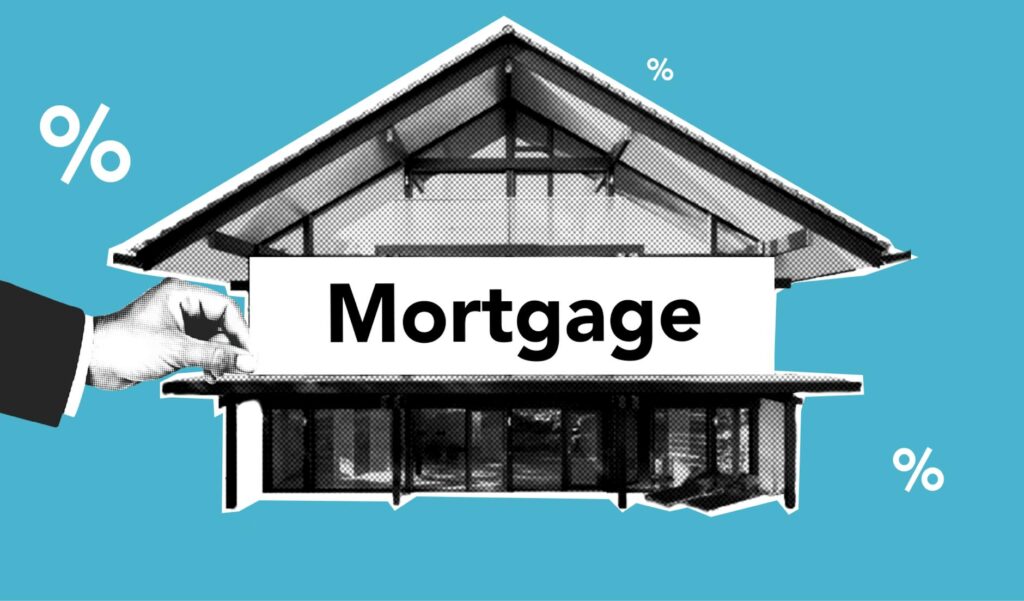
Before diving into the 2026 slab changes, it’s worth remembering the context. India currently offers two tax regimes — the Old Tax Regime (with higher rates but multiple deductions) and the New Tax Regime (with lower rates but fewer deductions). The government has been actively nudging taxpayers toward the new regime, and Budget 2026 continues that trend.
For freelancers and self-employed individuals, choosing the right regime can make a difference of tens of thousands of rupees every year. More on that shortly.
Budget 2026 Income Tax Slabs: What’s Changed?
The big headline from Budget 2026 is the revised income tax slabs under the New Tax Regime, which now offers even more relief for middle-income earners — a category that includes a large chunk of India’s growing freelance and gig workforce.
Here’s a simplified look at the updated slabs under the New Tax Regime for FY 2025-26:
- Up to ₹3,00,000: Nil
- ₹3,00,001 – ₹7,00,000: 5%
- ₹7,00,001 – ₹10,00,000: 10%
- ₹10,00,001 – ₹12,00,000: 15%
- ₹12,00,001 – ₹15,00,000: 20%
- Above ₹15,00,000: 30%
Crucially, the tax rebate under Section 87A has been enhanced, meaning individuals earning up to ₹7,00,000 under the New Regime effectively pay zero income tax. For many part-time freelancers and side hustlers just starting out, this is excellent news.
How Do These Changes Affect Freelancers and Gig Workers?
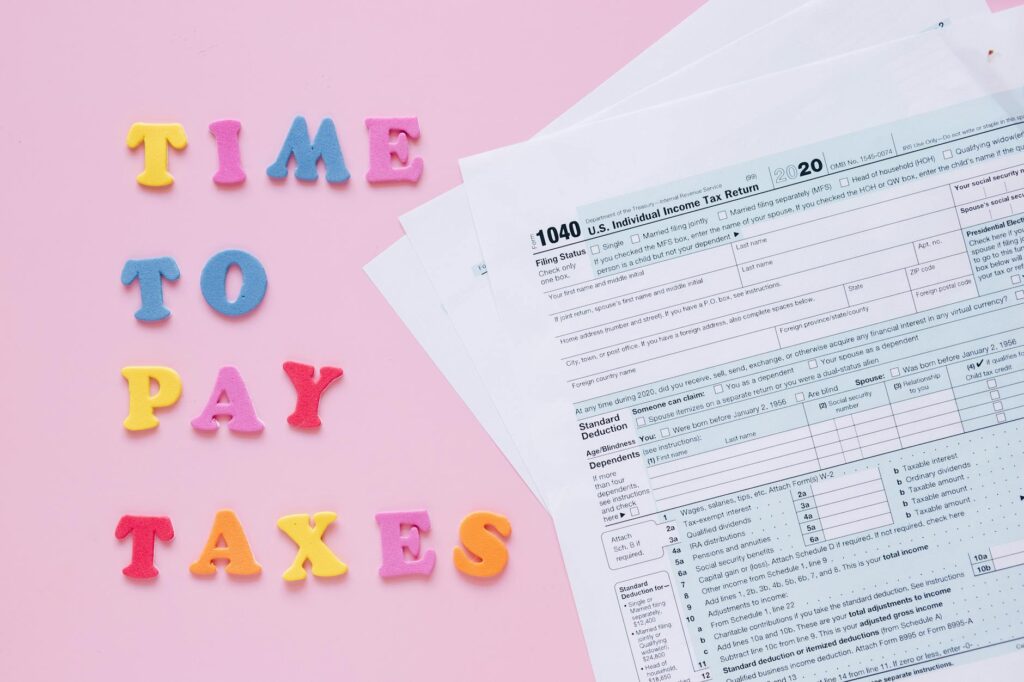
Unlike salaried employees, freelancers and self-employed individuals in India don’t have TDS automatically managed by an employer in most cases. You’re responsible for advance tax payments, ITR filing, and managing your deductions — all on your own.
Here’s how the new slabs play out in real-world scenarios:
Scenario 1: The Part-Time Side Hustler (Annual Income: ₹5–6 Lakhs)
If you’re earning between ₹5–6 lakhs from a side hustle — think freelance writing, selling digital products, or running an online store — you fall comfortably within the zero effective tax bracket thanks to the Section 87A rebate. Your take-home remains virtually unchanged, making this an ideal time to scale your side income.
Scenario 2: The Full-Time Freelancer (Annual Income: ₹10–12 Lakhs)
If you’re a full-time freelancer earning ₹10–12 lakhs annually, the new slabs offer meaningful relief compared to previous years. At ₹12 lakhs, your effective tax rate under the New Regime works out to be considerably lower than what the Old Regime would charge, especially if you don’t have significant deduction-eligible investments.
Scenario 3: The High-Earning Creator or Consultant (₹15 Lakhs+)
If you’re pulling in ₹15 lakhs or more through consulting, agency work, or creator monetization, you’ll want to do a careful regime comparison. The Old Tax Regime — with deductions under 80C, 80D, HRA, and business expense claims — may still work out better for you depending on your financial profile.
Smart Tax Strategies for Freelancers Under Budget 2026
Knowing the slabs is only half the battle. Here are actionable moves to help you minimize your tax burden legally:
- Track every business expense: Software subscriptions, internet bills, co-working space fees, equipment — these are deductible if you opt for the Old Regime or file as a business. Keep receipts and invoices organized throughout the year.
- File under the presumptive taxation scheme (Section 44ADA): Freelancers offering professional services can declare 50% of their gross receipts as profit, drastically reducing their taxable income. This is a massive benefit many side hustlers overlook.
- Pay advance tax on time: If your annual tax liability exceeds ₹10,000, you’re required to pay advance tax in quarterly installments. Missing these leads to interest penalties under Sections 234B and 234C.
- Compare regimes annually: Don’t assume one regime is always better. Run the numbers — or use a CA — every year before filing your ITR.
- Separate your finances: Open a dedicated bank account for your freelance or side hustle income. This makes tracking income, expenses, and GST compliance far simpler.
Don’t Forget GST If You’re Earning More Than ₹20 Lakhs
Income tax is only one piece of the puzzle. If your annual freelance or side hustle revenue crosses ₹20 lakhs (₹10 lakhs for some special category states), GST registration becomes mandatory. Many online earners — especially those working with international clients — also need to understand the implications of zero-rated exports under GST, which can actually be advantageous.
Conclusion: Budget 2026 Is Actually Good News for Most Freelancers
The Budget 2026 tax slab changes are broadly positive for India’s growing community of freelancers, gig workers, and online earners. The enhanced rebate under ₹7 lakhs, combined with the simplified New Tax Regime, means more people can grow their side hustle income without immediately worrying about a significant tax hit.
That said, the real winners will be those who stay proactive — tracking income, understanding which regime suits them, and filing accurately and on time. Tax planning isn’t just for big corporates; it’s one of the most effective tools a self-employed earner has to protect and grow their income.
Ready to take your freelance or side hustle income to the next level? Explore more guides on PostInProfit.com to help you earn smarter, save more, and build lasting financial freedom online.





One thought on “Budget 2026 Income Tax Slab Changes: What Freelancers and Side Hustlers in India Need to Know”