


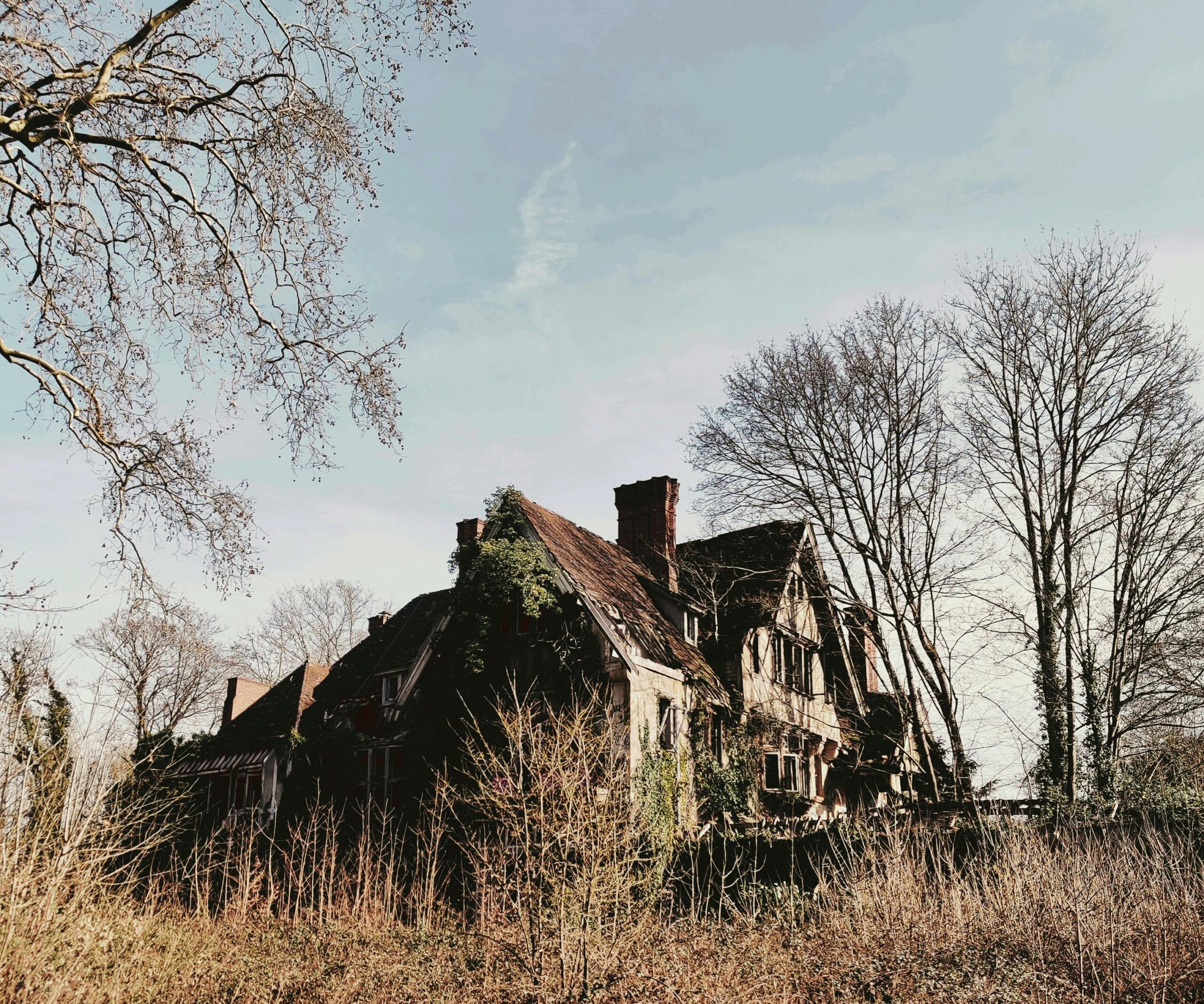
Most Haunted: Chills from Italy to India
For the dark tourists of 2026, the travel bucket list has shifted. We are no longer just looking for history; we are looking for the “Forbidden Zone.” As the veil between worlds feels thinner than ever, three global hotspots have emerged as the epicenter of paranormal activity.
From the decaying plague hospitals of the Mediterranean to the cursed ruins of the Rajasthan desert, here is your guide to the world’s most active paranormal hotspots this year.
Poveglia Island, Italy: The Isle of No Return
Located in the Venetian Lagoon, Poveglia Island is often cited as the most haunted place on Earth. Its history is a dark tapestry of suffering, beginning in the 18th century when it served as a Lazzaretto—a quarantine station for plague victims. It is estimated that over 100,000 people died here, and legend says that 50% of the island’s soil is composed of human ash.
The 2026 Experience: The island is officially off-limits to the public, guarded by the Italian government due to its hazardous, crumbling structures. However, dark tourism has found a way. Boat tours from the Venice lagoon often linger near the shore after dusk.
- The Screams of the Lagoon: Tourists frequently report hearing disembodied wails and the ringing of a bell from the island’s tower—despite the bell having been removed decades ago.
- The Mad Doctor: In the 1920s, the island housed a psychiatric hospital where a doctor allegedly performed lobotomies with hand drills. He eventually jumped from the bell tower, claiming he was driven mad by the spirits of plague victims.

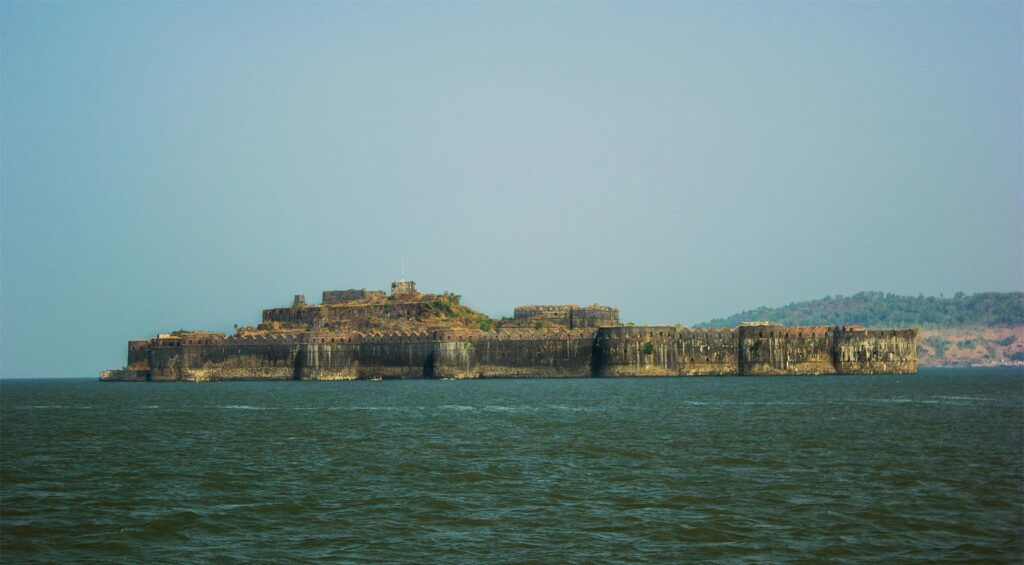
Bhangarh Fort, India: The Ghost City of Rajasthan
In the Alwar district of Rajasthan, the 17th-century Bhangarh Fort stands as a majestic, roofless ruin. It is the only place in India where the government—specifically the Archaeological Survey of India (ASI)—has legally prohibited entry between sunset and sunrise.
The Legend of the Curse: Two primary legends explain the fort’s sudden abandonment:
- The Shadow Curse: A hermit named Baba Balu Nath allowed the fort’s construction on the condition that its shadow never touched his retreat. When a later prince raised the palace heights, the shadow fell, and the city was cursed to eternal ruin.
- The Sorcerer’s Obsession: A black magician named Singhia fell in love with Princess Ratnavati. When his love potion failed and led to his death, he cursed the city with his final breath, declaring that no one would be able to live within its walls.
Modern Reports: Visitors during the day often describe a heavy, suffocating atmosphere. Those who have attempted to sneak in at night report the sound of music and tinkling bangles (ghungroos) echoing from the “Dancers’ Palace,” while locals claim that anyone who stays past dark never returns.
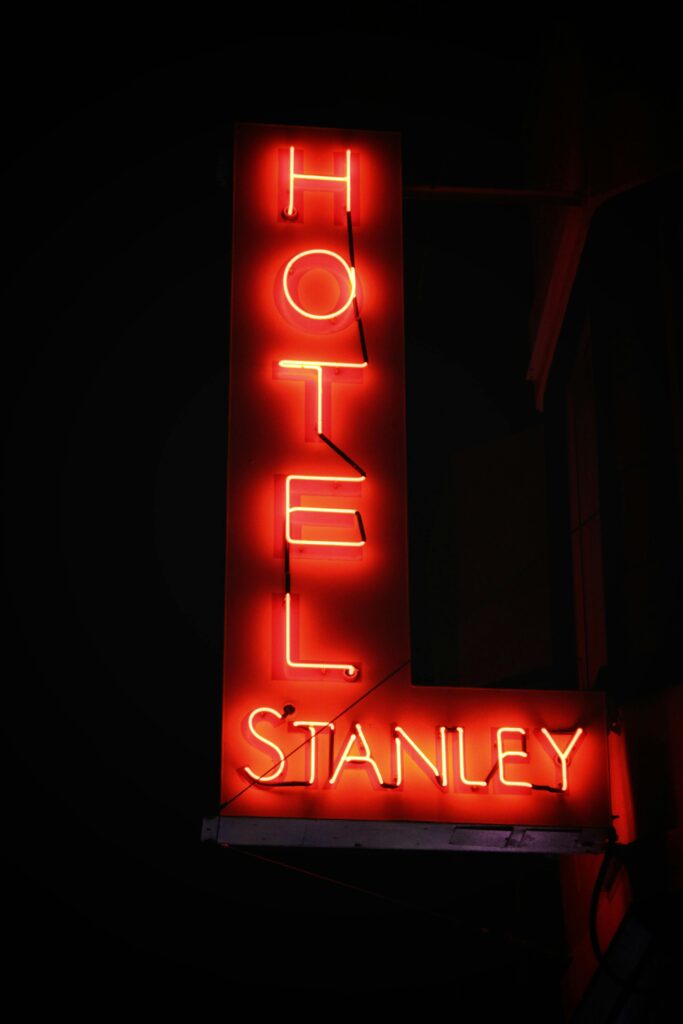
The Stanley Hotel, USA: The “Phantom Piano Player”
High in the Colorado Rockies, The Stanley Hotel has maintained its reputation as a paranormal powerhouse for over a century. Famously, it served as the inspiration for Stephen King’s The Shining after his stay in Room 217 in 1974.
The Spectral Staff: Unlike the malevolent spirits of Poveglia, the ghosts at the Stanley are often described as “permanent residents” who simply refuse to check out.
- Flora Stanley: The wife of the hotel’s founder, Flora was an accomplished pianist. Even in 2026, guests in the ballroom report the sound of a Steinway piano playing classical melodies. When someone enters the room, the music stops instantly.
- The Vortex: The grand staircase is considered a “paranormal portal” where apparitions of children are frequently caught on camera.
- Room 401: For those seeking a more intense experience, the fourth floor is known for a “cowboy ghost” and the sound of phantom children running through the halls at 3:00 AM.
The Dark Tourist’s Ethics
In 2026, we approach these sites with a blend of curiosity and neurological caution. Just as we seek “Neurowellness” to calm our systems, dark tourism provides a “safe scare” that allows us to process the mystery of the unknown.
Travel Tip: If you’re visiting these sites, remember the “Forbidden Zone” rules: Respect the local laws, never disturb the ruins, and always carry a physical flashlight—digital ones have a strange habit of failing in the presence of the unexplained.