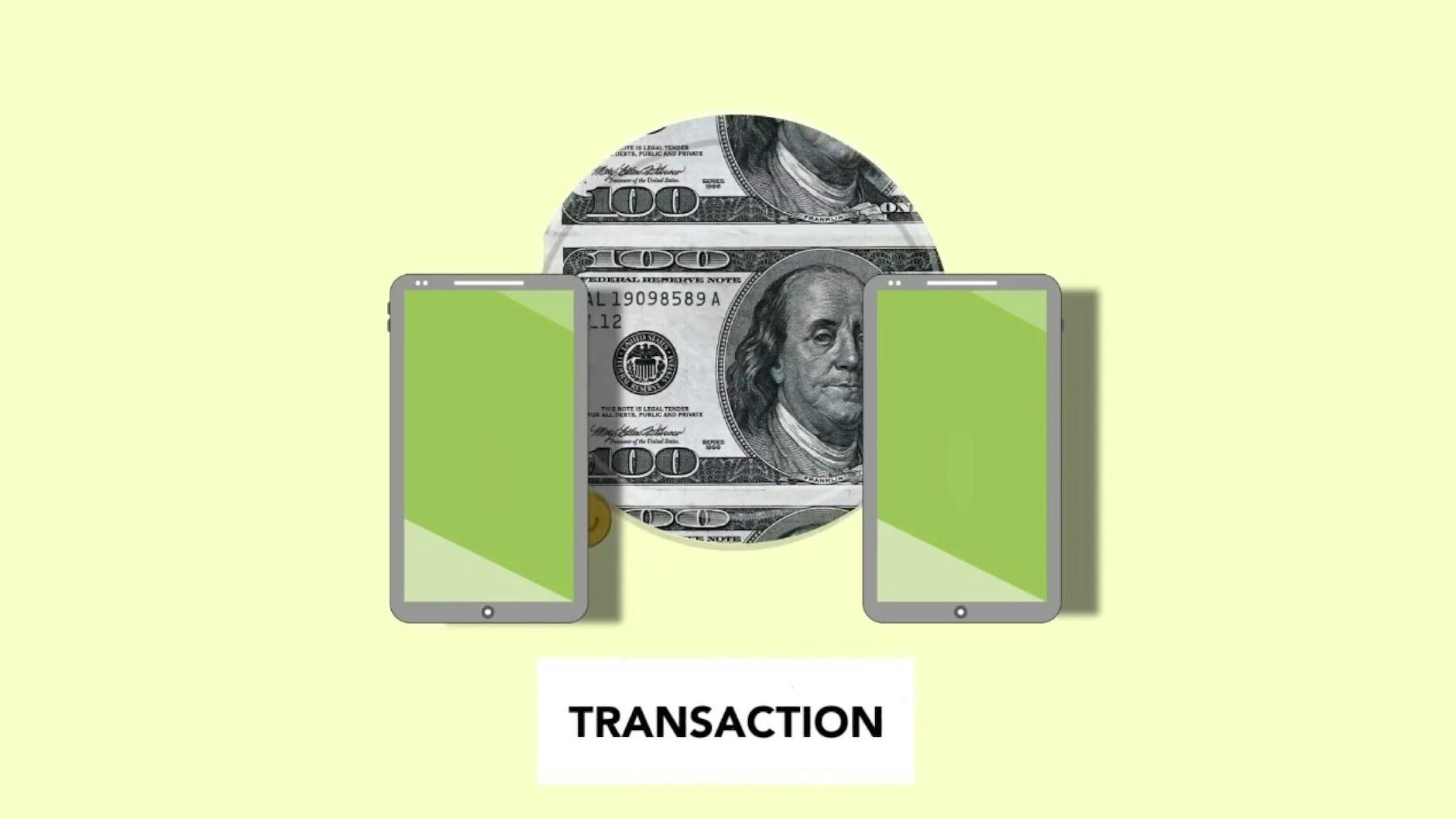


If you’re one of the millions of expats living and working in the UAE, sending money home isn’t just a routine transaction — it’s a lifeline. Whether you’re supporting family in India, the Philippines, Pakistan, Egypt, or anywhere else, every dirham lost to fees and poor exchange rates is money taken directly out of your pocket. And with UAE remittance fee changes coming into effect in 2026, the landscape is shifting in ways that every expat needs to understand.
The good news? With the right knowledge and the right platforms, you can send money from the UAE cheaper and faster than ever before. This guide breaks down what’s changing, why it matters, and exactly which tools will help you keep more of what you earn.
What’s Changing With UAE Remittance Fees in 2026?
The UAE Central Bank has been progressively tightening its oversight of money transfer operators (MTOs) as part of a broader push toward financial transparency and consumer protection. In 2026, several key regulatory updates are affecting how remittance companies operate and what they can charge.
- Fee disclosure mandates: All licensed remittance providers are now required to clearly display the total cost of a transfer — including hidden margins baked into the exchange rate — before a customer confirms a transaction.
- Exchange rate margin caps: Regulators are introducing pressure on providers to limit the spread between interbank rates and the rates offered to consumers, reducing the “invisible” fee that has historically cost expats far more than the stated transfer fee.
- Licensing consolidation: Some smaller, informal exchange houses are being phased out or absorbed, which means fewer options in certain areas — but generally stronger consumer protections where licensed operators remain.
- Digital-first incentives: The UAE is actively encouraging a shift to app-based transfers, with regulators creating frameworks that make it easier for fintech remittance platforms to compete with traditional banks and exchange houses.
The bottom line? Transparency is improving, but costs are not automatically dropping. It’s still entirely on you to compare platforms and choose wisely.
Why This Directly Affects Your Take-Home Income
Let’s put this in real numbers. Say you earn AED 8,000 a month and send AED 5,000 home. If your transfer platform charges a 3% total cost (fees plus exchange rate margin), you’re losing AED 150 every single month. Over a year, that’s AED 1,800 — gone. Over a five-year stint in the UAE, that’s AED 9,000 quietly disappearing into a provider’s profit margin.
With the 2026 regulatory changes making fee structures more visible, expats now have the data they need to make smarter decisions. The question is which platforms are actually delivering the best value.
The Cheapest Ways to Send Money From the UAE in 2026
1. Wise (formerly TransferWise)
Wise remains one of the most competitive options for expat finance in the UAE. It uses the mid-market exchange rate — the same rate you’d see on Google — and charges a small, clearly stated percentage fee. For popular corridors like UAE to India or UAE to the Philippines, total costs typically range between 0.5% and 1.5%, making it significantly cheaper than most traditional exchange houses. The app is intuitive, transfers are fast (often within hours), and the fee is shown upfront before you commit.
2. Remitly
Remitly has aggressively expanded its UAE presence and is one of the best remittance apps for UAE expats in 2026. It offers two options — Express (faster, slightly higher fee) and Economy (1–3 business days, lower cost). For sending to South Asian and Southeast Asian countries, Remitly frequently offers promotional rates that undercut competitors significantly. First-time users often receive zero-fee transfers, and loyalty rates improve over time.
3. Al Ansari Exchange (Digital)
Al Ansari is a UAE institution, and its digital platform has caught up with the fintech newcomers in meaningful ways. While its rates aren’t always the sharpest, it offers unmatched trust, widespread cash pickup options in receiving countries, and a seamless Arabic and English interface. For expats sending to countries where bank infrastructure is limited, cash pickup through Al Ansari’s partner networks is a practical and affordable solution.
4. LuLu Money
LuLu Money has quietly become one of the most competitive platforms for sending money from the UAE to South Asia, Africa, and Southeast Asia. Its exchange rates are often marginally better than Wise on specific corridors, and the platform regularly runs fee-waiver promotions. If you’re sending to India, Pakistan, or Bangladesh specifically, it’s worth checking LuLu Money’s rate alongside Wise before every transfer.
5. Western Union (App-Based)
Western Union’s app-based transfers — as opposed to over-the-counter transactions — are now considerably more competitive than they once were. The digital channel cuts overhead and passes some savings to users. That said, always compare the total transfer cost, including the exchange rate margin, before using Western Union. It shines for destinations where other digital platforms have limited reach.
Pro Tips to Minimize Remittance Costs in 2026
Choosing the right platform is only half the battle. Here are actionable strategies to squeeze out even more savings:
- Always compare total cost, not just the fee. Use a comparison tool like Monito or Finder’s remittance comparison to see the real exchange rate being offered versus the mid-market rate. A “zero fee” transfer with a bad exchange rate is almost always more expensive.
- Send larger amounts less frequently. Fixed fees hurt more on small transfers. If possible, consolidate two weekly transfers into one bi-weekly transfer to halve fixed charges.
- Lock in rates when the dirham is strong. While the AED is pegged to the USD, currency fluctuations on the receiving end still matter. Some platforms let you lock in a forward rate — use this feature when your home currency is weakening.
- Use referral programs. Wise, Remitly, and LuLu Money all have referral schemes that give you free or discounted transfers. Sharing your code with colleagues at work can generate meaningful savings over time.
- Set up recurring transfers. Many apps offer better rates or waived fees on scheduled, automatic transfers. This is both convenient and cost-effective.
What to Watch Out For
With the 2026 regulatory changes, some smaller exchange houses may attempt to offset tighter margin caps by introducing new service fees or reducing transfer speed on lower-tier accounts. Always read the updated fee schedule before using any provider you haven’t checked in the last few months. Regulatory shifts can change pricing structures quickly.
Also be cautious of unofficial or unregistered remittance channels. The Central Bank of the UAE is actively cracking down on unlicensed operators in 2026, and using them puts both your money and your legal standing at risk.
The Bottom Line: Your Earnings Deserve Better
You work hard for every dirham you earn in the UAE. The 2026 remittance fee changes are a genuine step toward a fairer, more transparent system — but the responsibility to choose the cheapest and most reliable platform still falls on you. Whether you go with Wise for its transparent mid-market rates, Remitly for its corridor-specific promotions, or LuLu Money for competitive South Asia rates, the most important thing is to stop defaulting to whichever service is most convenient and start choosing the one that costs you the least.
Even saving 1% on your monthly transfer compounds into thousands of dirhams over a typical expat career in the UAE. That’s money that belongs in your family’s hands — not in a transfer fee receipt.
Ready to start saving? Head over to a comparison tool like Monito, check your top two or three options for your specific corridor, and make the switch today. Small decisions made consistently are how expats build real financial security from abroad.