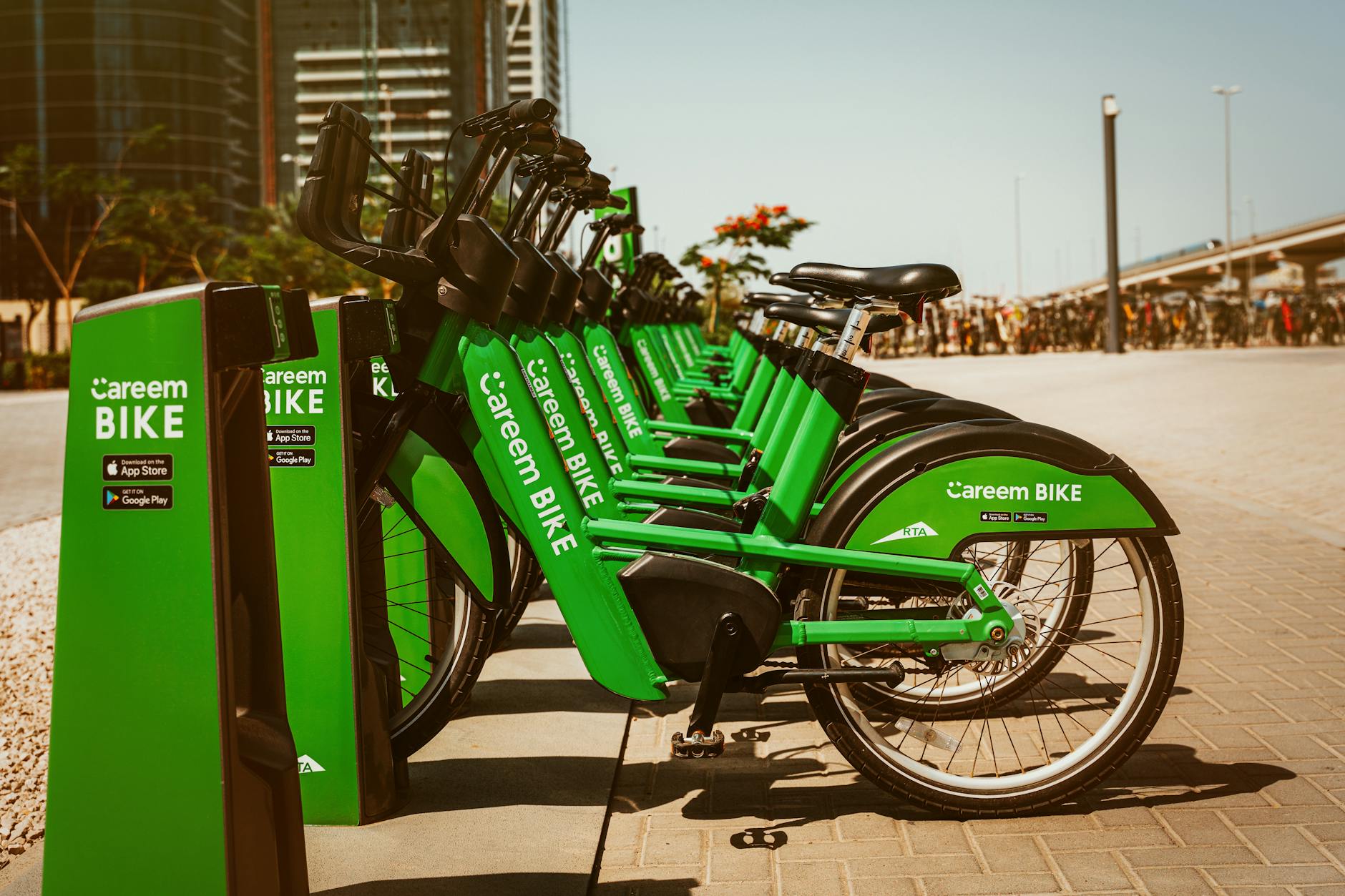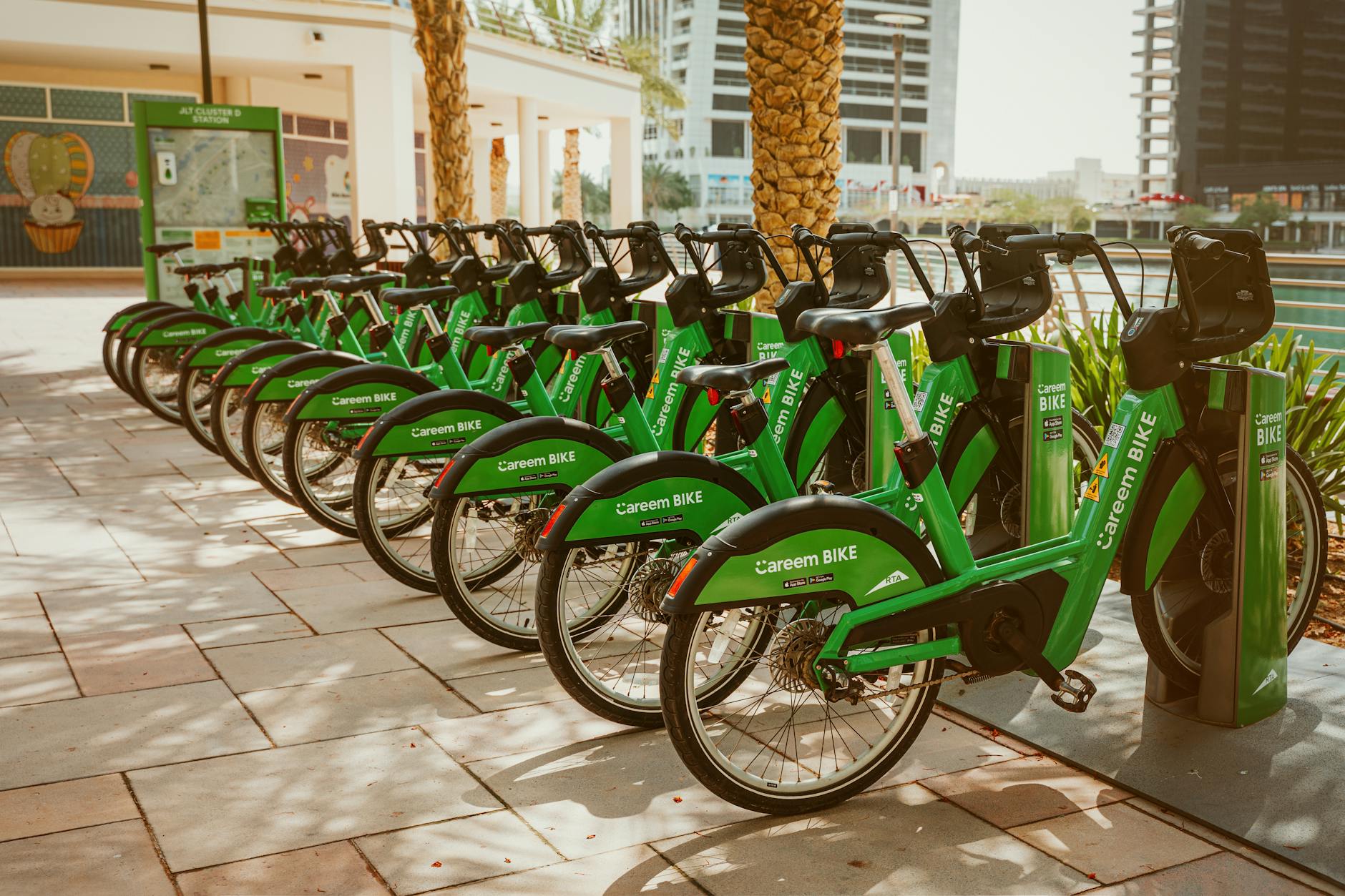


If you still think of Careem as just a ride-hailing app, you’re leaving serious money on the table. The Dubai-based super app — backed by Uber and deeply embedded in the MENA ecosystem — has quietly transformed itself into one of the most powerful financial platforms in the Middle East. From digital wallets and micro-lending to delivery, grocery, and bill payments, Careem’s expansion into financial services is creating a wave of opportunity for gig workers, freelancers, and entrepreneurial-minded individuals across the region.
Whether you’re in Dubai, Cairo, Riyadh, or Karachi, the Careem super app is becoming a legitimate tool to earn money, manage cash flow, and build smarter side hustles in 2026. Let’s break down exactly how to take advantage of it.
What Is the Careem Super App? A Quick Overview
Careem launched as a ride-hailing service in 2012, but since its acquisition by Uber in 2020, it has accelerated its transformation into a full-service super app — similar in concept to WeChat in China or Grab in Southeast Asia. Today, the platform combines:
- Ride-hailing and intercity transport
- Food, grocery, and package delivery
- Digital wallet (Careem Pay)
- Bill payments and mobile top-ups
- Money transfers across borders
- Exclusive deals and loyalty rewards
This all-in-one structure is exactly what makes Careem such a compelling platform for anyone looking to earn, save, or build income streams in the MENA region. The financial services layer — particularly Careem Pay — is where the real opportunity lies for savvy users.
Careem Financial Services: What You Need to Know About Careem Pay
Careem Pay is the app’s integrated digital wallet and fintech backbone. It allows users to store funds, send money, pay bills, and complete transactions across the super app ecosystem — all without a traditional bank account. For the large unbanked and underbanked population across MENA, this is genuinely revolutionary.
From a hustle perspective, here’s why Careem Pay matters:
- Instant earnings access: Captains (Careem’s term for drivers) and delivery workers can receive earnings directly into their Careem Pay wallet — no waiting for weekly bank transfers.
- Cross-border transfers: Workers sending remittances home benefit from lower fees and faster transfers compared to legacy wire services.
- Cashback and rewards: Regular users earn Careem Credits (the platform’s loyalty currency) that can be reinvested into services or converted into savings.
- Bill automation: Managing recurring payments through one platform reduces late fees and helps freelancers and gig workers maintain better financial hygiene.
As MENA fintech 2026 continues to evolve, Careem Pay is positioning itself to offer more sophisticated products including micro-credit, insurance partnerships, and investment-linked savings tools. Getting familiar with the platform now puts you ahead of the curve.
How to Earn Money on the Careem Super App
1. Become a Careem Captain or Delivery Partner
The most direct way to earn money on Careem is by joining the gig economy through the platform itself. Careem Captains (drivers) and delivery partners in food, grocery, and courier services can generate substantial part-time or full-time income. In cities like Dubai and Riyadh, top-performing delivery partners reportedly earn between AED 4,000–8,000 per month working flexible hours.
The key advantages in 2026 include surge-based dynamic pricing, performance bonuses, and the ability to manage your schedule entirely through the app. Pair your earnings with the Careem Pay wallet and you get near-instant access to your money — a big deal for cash-flow management.
2. Leverage the Careem Affiliate and Referral Program
Careem runs referral programs that reward both the referrer and the new user with ride credits or wallet bonuses. For affiliate marketers and content creators targeting Arabic-speaking audiences or MENA expat communities, this represents a low-barrier entry point into performance-based income.
If you run a blog, YouTube channel, TikTok account, or WhatsApp community focused on life in the UAE, Saudi Arabia, or Egypt, promoting Careem’s services — particularly new financial features — can generate steady passive referral income. The trick is to create genuinely useful content around real use cases: saving money on commutes, using Careem Pay for remittances, or comparing delivery app costs.
3. Build a Micro-Business Using Careem’s Ecosystem
Careem’s platform isn’t just for individual gig workers. Entrepreneurs are using it as a distribution channel for small food businesses, cloud kitchens, and local grocery brands. Listing on Careem Food gives small operators access to a massive, ready-made customer base without the overhead of a physical storefront.
In markets like Cairo and Beirut where economic conditions have pushed many professionals toward entrepreneurship, this model is gaining serious traction. If you have a home cooking business, a niche food product, or a local service, Careem’s marketplace infrastructure can be the launchpad you need.
Saving Smarter: Using Careem to Cut Costs and Maximize Value
Earning more is only half the equation — the other half is keeping more of what you make. Careem’s built-in savings mechanics are underused by most people:
- Careem Credits stacking: Use credits earned from rides and deliveries to offset future costs, essentially creating a loyalty-funded transport budget.
- Bundle subscriptions: Careem offers subscription passes that reduce per-trip costs significantly — ideal for daily commuters or delivery-dependent businesses.
- Promo code tracking: Third-party Careem deal communities on Telegram and Reddit regularly share working promo codes. Aggregating these can slash monthly app spending by 20–30%.
- Bill payment consolidation: Routing utilities, phone bills, and internet payments through Careem Pay sometimes unlocks exclusive cashback offers not available through direct payment.
The Bigger Picture: Why MENA Fintech 2026 Matters for Hustlers
The MENA fintech landscape in 2026 is one of the fastest-growing in the world. With over 60% of the region’s population under 30, smartphone penetration at record highs, and government-backed digital economy initiatives in Saudi Arabia (Vision 2030), UAE, and Egypt, the conditions for app-based financial services are almost perfectly aligned.
Careem sits at the intersection of all these trends. Its super app model means that every new financial feature — whether it’s a savings product, a micro-loan, or a crypto wallet integration — rolls out to tens of millions of existing users instantly. For gig economy workers and digital entrepreneurs, being an active, engaged Careem user means you’ll be among the first to access new earning and saving tools as they launch.
This isn’t just about rides and food delivery anymore. It’s about positioning yourself within a digital financial ecosystem that’s growing rapidly and rewarding early adopters.
Final Thoughts: Your Careem Hustle Starts Now
The Careem super app has evolved from a convenience tool into a legitimate financial and income platform for millions across the Middle East. Whether you’re a driver maximizing earnings through Careem Pay, a content creator building a referral income stream, a small business owner tapping into Careem’s delivery marketplace, or simply a cost-conscious user stacking credits and cashback — there’s a viable hustle here for you.
The gig economy in the Middle East is maturing fast, and platforms like Careem are building the financial infrastructure to support a new generation of independent workers and micro-entrepreneurs. The question isn’t whether the opportunity exists — it clearly does. The question is whether you’re going to take it seriously.
Ready to start earning smarter with Careem? Download the app, set up your Careem Pay wallet, and explore the Captain or delivery partner program in your city today. Then come back to PostInProfit for more strategies on building income streams in the MENA region and beyond.